
A medical device can meet its listed specifications and still be the wrong fit for a Canadian care team. Avoiding medical equipment procurement mistakes starts with connecting clinical requirements, procurement criteria and day-to-day workflows before comparing products. A device may satisfy a technical brief but create implementation gaps if patient needs, room setup, staff training or service support are considered too late.
Clinical teams, procurement staff and technical specialists often assess equipment from different perspectives. A cross-functional process brings those priorities together before a decision is made. This guide explains how to define requirements around real care workflows, assess implementation and lifecycle support alongside device functions, and document the rationale for selection. The aim is to make the path from identifying a clinical need to introducing equipment clear for everyone involved.
Key Takeaways
- Start avoiding medical equipment procurement mistakes by defining the clinical need before comparing device features.
- Translate intended use into requirements for patients, care settings, staffing and equipment integration.
- Include installation, staff training, maintenance planning and technical support in the evaluation.
- Compare shortlisted devices against the same criteria, then document the decision and its rationale.
Avoiding medical equipment procurement mistakes starts with defining the clinical need
A procurement mistake is a preventable gap between clinical requirements, equipment selection and operational readiness. Begin by describing the care need and intended use before comparing available functions. This gives the team a practical basis for deciding what the equipment must do and which criteria matter in the evaluation.
A device may be a poor fit if its functions do not address the patient population or care setting, or if its setup and operation conflict with established workflows. Separate three questions: what clinical need must be met, how the equipment must function in the care environment, and which purchasing criteria will guide evaluation. This distinction supports a structured approach to medical equipment management, from selection through acquisition.
For an overview of the procurement process, watch this educational video:
Which teams should shape medical equipment requirements?
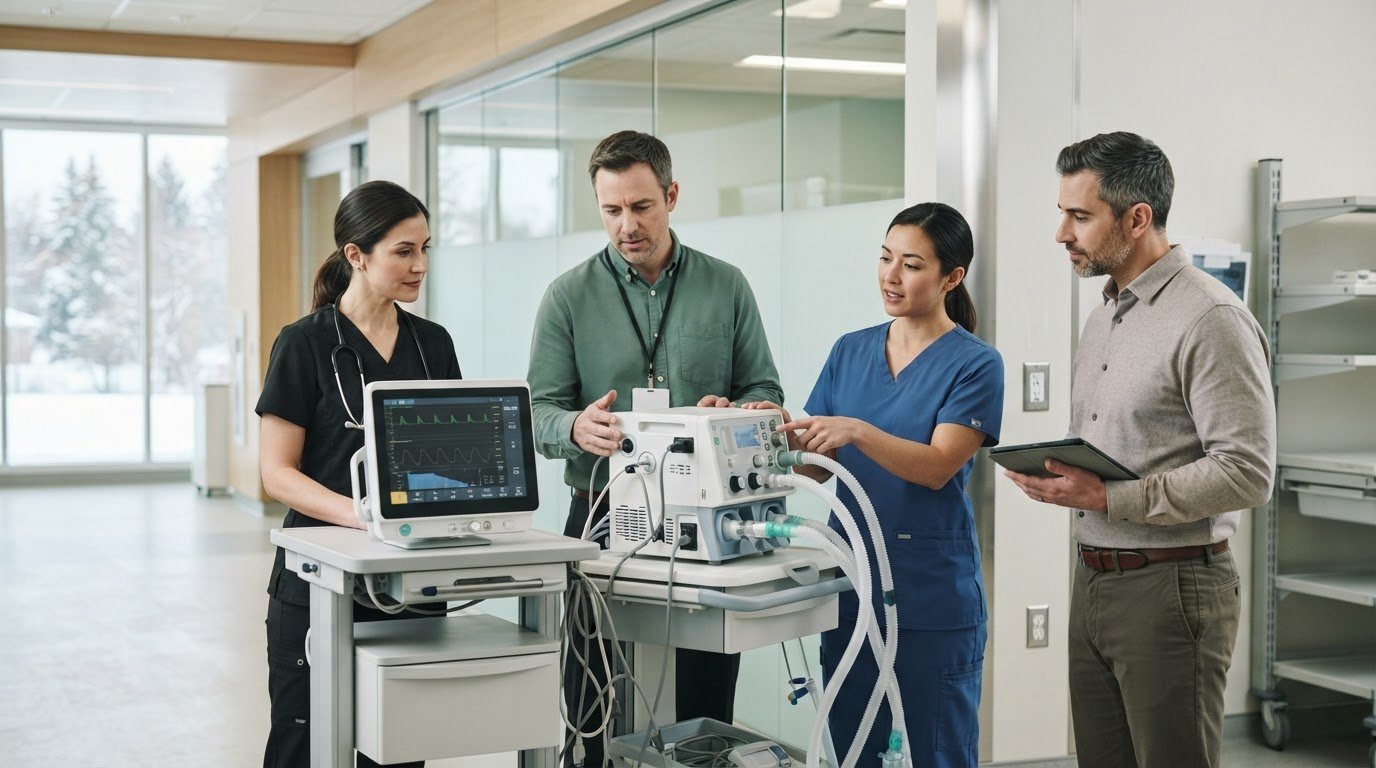
Bring together clinicians, procurement, clinical engineering, infection prevention and relevant operational stakeholders. Each group can identify different requirements, including clinical suitability, purchasing criteria, technical integration, cleaning processes and service needs. Record each group’s requirements, decision authority and unresolved questions before evaluating equipment. This makes conflicting priorities visible early, instead of during implementation.
For example, clinicians can define intended use and patient-care needs, while technical and operational stakeholders identify facility constraints that could affect readiness. Separate mandatory requirements from preferences, and note the reason for each. The result is a shared basis for assessing options and identifying gaps before selecting equipment.
Match medical equipment specifications to patients, workflows, and facility needs
Translate intended use into requirements that reflect the patient population, care setting, staffing model and device integration needs. A specification should describe what the equipment must support in practice, not simply repeat features from a product description. This makes avoiding medical equipment procurement mistakes more systematic: the team can assess whether each requirement addresses a defined clinical or operational need.
Separate essential specifications from preferences, and record the rationale for each. Consider usability for intended users, cleaning processes, storage, connectivity and compatibility with existing workflows. For example, a device may meet a clinical requirement but still need review if its setup, data connections or cleaning process do not fit the facility’s routines. LungFit® PH is part of Novus Medical’s respiratory portfolio. Assess its proposed use and technical requirements against current manufacturer documentation and the facility’s needs.
How can teams prevent specification gaps?
Review manufacturer documentation against the facility’s stated use and operational requirements. Record assumptions, then identify questions that need clinical, technical or implementation review before comparing options. This prevents unverified expectations from becoming informal selection criteria.
- Clinical fit: Does the documented intended use align with the patient population and care setting?
- Workflow fit: Can staff accommodate the device’s use, cleaning and storage within established processes?
- Integration: Have relevant connectivity and compatibility needs been identified for the facility?
Mark each requirement as essential or preferred, assign a rationale, and note how it will be assessed. If documentation leaves a question unresolved, record who will review it and what information is needed. This creates a traceable basis for comparing shortlisted equipment against the same criteria, rather than relying on feature counts or individual assumptions.
Respiratory care teams evaluating equipment can review Novus Medical respiratory therapy equipment as part of a needs-based assessment.

Assess implementation, training, and support before equipment selection
Equipment selection is only one part of procurement readiness. Assess installation, technical integration, user onboarding, maintenance planning and support arrangements before choosing a device. A system that meets clinical requirements may still be difficult to introduce if the facility has not assigned deployment responsibilities or planned staff preparation.
Evaluate training and support at the same time as device functions. This helps the team plan how equipment will be introduced, maintained and supported throughout its lifecycle.
Review warranty coverage, service contract support, technical assistance and service documentation as part of the evaluation. Define how staff will report issues, who will coordinate escalation, and how maintenance activity will be recorded. Include these details in the procurement plan so responsibilities are clear before equipment is introduced.
What should a procurement team document for implementation?
Build a readiness checklist that identifies responsible teams, training needs, technical dependencies and handover requirements. Assign an owner to each item, including deployment coordination, staff preparation, escalation pathways and service records. For respiratory equipment such as LungFit® PH, tie the implementation plan to the facility’s intended use and relevant manufacturer information.
- Deployment: Identify who coordinates installation and any required technical integration.
- Staff preparation: Record which user groups need training and how onboarding will be organized.
- Ongoing support: Document maintenance planning, warranty and service arrangements, and escalation contacts.
- Handover: Specify which service and implementation records should be retained and who is responsible.
Novus Medical provides clinician training, warranty and service contract support, and Canadian-based technical support by phone, internet and remote connection. Include these lifecycle considerations alongside device functions as your team compares options. Explore Novus Medical’s medical equipment support as part of your procurement planning.
Use a documented decision process to prevent medical equipment procurement mistakes
A shared, documented process helps teams compare equipment consistently and explain the decision after selection. To avoid medical equipment procurement mistakes, work through five steps: define the clinical need, gather requirements, assess each option’s fit, plan implementation, and record the final decision. Apply the same clinical and operational criteria to every shortlisted option so differences in evaluation do not distort the comparison.
Document which requirements each option meets, where the supporting evidence comes from, and what questions remain unresolved. A feature valued by one department should not outweigh a critical workflow or readiness requirement without a clear rationale. A written record gives the team a practical basis for review and handover.
How can teams make the decision traceable?
Keep a decision record that captures evaluation criteria, stakeholder input, outstanding risks and the reasons for the final selection. Before handover, invite relevant clinical and technical stakeholders to review the implementation plan. Their review can surface open dependencies, clarify responsibilities and confirm that the rationale reflects operational realities.
For Canadian healthcare providers, Novus Medical supports equipment procurement through medical device sales, Canadian-based technical support, warranty and service contract support, and clinician training. Consider these services alongside device selection when assessing support continuity. Use the facility’s documented requirements and manufacturer information to ground the evaluation in the intended use and operating environment.
Close the decision record with the selected option, the rationale, remaining actions and the person responsible for each handover item. This creates a clear reference for implementation and future review, while keeping the procurement decision tied to the clinical and operational requirements established by the team.
Make procurement decisions ready for care delivery
Reliable equipment selection starts with a defined clinical need. Translate that need into specifications shaped by the patient population, care setting and facility workflows, then compare options against shared clinical and operational criteria. Avoiding medical equipment procurement mistakes also means assessing implementation readiness before selection, rather than treating installation, training and support as later considerations.
Document how each shortlisted option meets the requirements, note unresolved risks, and record why the team chose its final selection. Assign clear responsibility for deployment, staff preparation, handover and ongoing service planning. This gives clinical, procurement and technical stakeholders a common reference as equipment moves from evaluation into use.
Novus Medical brings more than 40 years of experience selling and supporting medical devices in Canada. Canadian-based technical support, warranty services and clinician training help healthcare teams consider service continuity alongside device functions. Explore Novus Medical’s healthcare equipment and support as you plan your next procurement. A clear, documented process keeps the decision grounded in patient-care needs and facility readiness.
Frequently Asked Questions
What are the most common medical equipment procurement mistakes?
Common mistakes include defining requirements without clinical input, comparing devices against inconsistent criteria, and overlooking training or ongoing support. Avoiding medical equipment procurement mistakes starts with documenting intended use, patient-care workflows, technical requirements and implementation responsibilities before selecting equipment. A shared evaluation record helps the team compare options consistently, explain its rationale and identify questions that need review before handover.
How can healthcare teams choose equipment that fits clinical workflows?
Start with the intended patient population and care setting, then describe how staff will use, clean, store and maintain the equipment. Ask clinical and technical stakeholders to review the requirements together, including relevant integration needs. Compare shortlisted options using the same criteria. Record assumptions and questions requiring follow-up so gaps in workflow fit or implementation readiness are visible before the team makes its final selection.
When should clinicians be involved in medical equipment procurement?
Involve clinicians when the clinical need is first defined, not only after a shortlist has been prepared. Their input can clarify intended use, patient-care workflows, usability considerations and training needs. Include clinical engineering and operational stakeholders where relevant, so technical readiness and facility requirements are assessed alongside clinical priorities throughout evaluation and planning.
Why should training and technical support be considered during procurement?
Training and technical support affect how equipment is introduced and supported after selection. Staff need appropriate preparation, while the facility needs clear responsibilities for technical assistance, warranty support and maintenance planning. Assess these requirements alongside device functions to plan implementation and ongoing operations. Novus Medical provides clinician training, Canadian-based technical support and warranty services for healthcare providers.
What should be included in a medical equipment procurement checklist?
Include intended use, patient and care-setting needs, essential specifications, workflow fit, compatibility, cleaning and storage requirements, implementation responsibilities, staff training and technical support. Record which stakeholders reviewed each area and identify unresolved questions, assumptions or risks. This checklist gives the procurement team a consistent basis for comparing equipment and documenting why the selected option meets the facility’s clinical and operational requirements.
Disclaimer
Disclaimer: Articles on this website are produced with the assistance of automated content tools (AutoSEO) and are intended solely for general informational purposes. This content does not constitute professional advice. While we strive to maintain accurate and up-to-date information, readers should verify key details independently before taking action based on any content found on this site.



Leave a Reply
Your email is safe with us.