

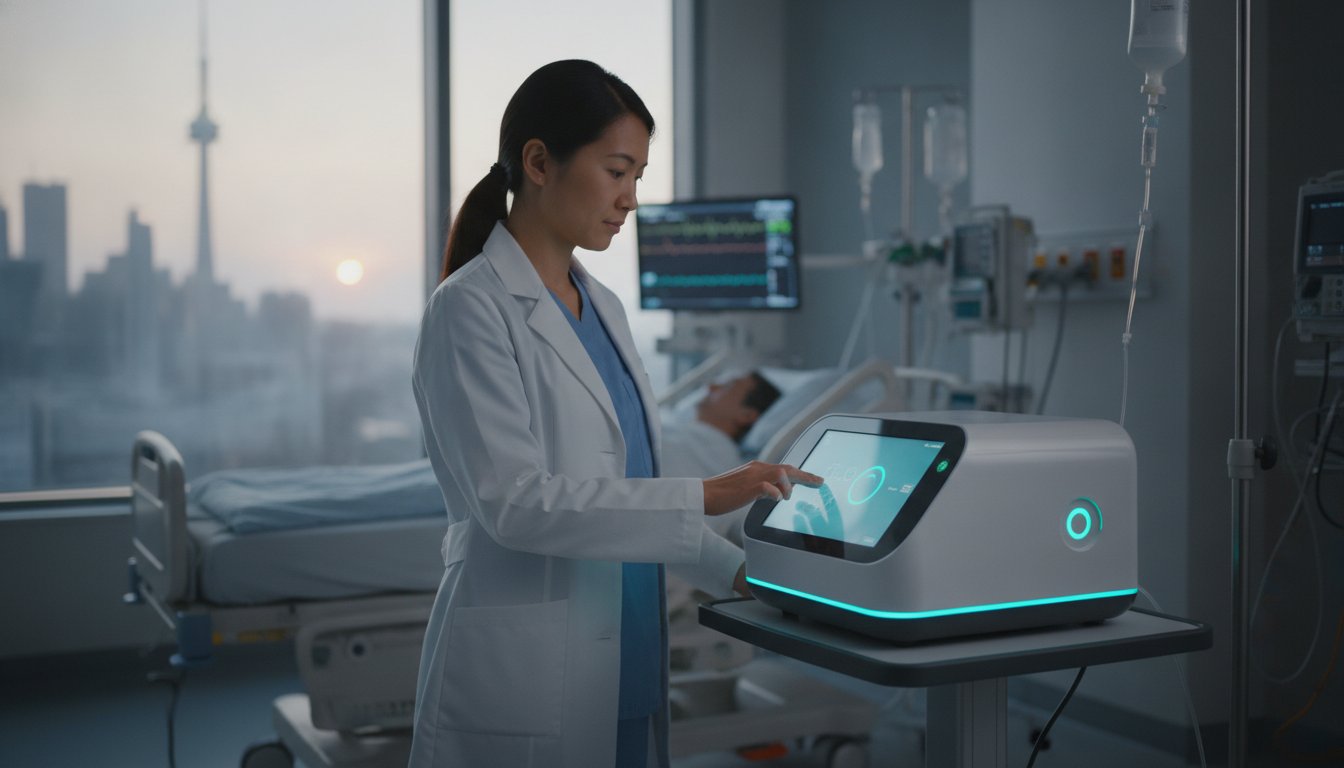
What if your hospital’s supply of inhaled nitric oxide was as reliable and accessible as the ambient air in your clinical environment? For years, Canadian respiratory therapists and ICU administrators have contended with the logistical burden of high-pressure gas cylinders, from unpredictable supply chain disruptions to the complex inventory management of heavy tanks. You likely recognize that seeking alternatives to cylinder-based nitric oxide is no longer just a matter of convenience; it is a critical strategy for maintaining clinical continuity. This frustration is shared by healthcare professionals across the country who seek more autonomy over their therapeutic resources.
In this article, you’ll discover how modern bedside generation technology is transforming the landscape of respiratory therapy by replacing traditional gas cylinders. We’ll explore how moving away from external gas suppliers can eliminate waste, reduce safety risks, and provide predictable long-term costs for your facility. We’ll also examine how the LungFit® PH system integrates into existing workflows to enhance clinical efficiency while securing your hospital’s supply chain against future volatility.
Key Takeaways
- Identify the critical supply chain and safety risks inherent in traditional gas delivery, including the complexities of managing heavy high-pressure tanks and expiry dates.
- Explore the LungFit® PH system as one of the leading alternatives to cylinder-based nitric oxide, utilizing advanced technology to generate therapeutic gas directly from ambient air.
- Evaluate the operational advantages of compact bedside generation, such as reduced storage requirements and a smaller carbon footprint compared to traditional gas logistics.
- Learn how to organize a seamless transition to cylinder-free iNO through clinical evaluation, specialized staff training, and reliable national technical support.
The Shift from Traditional Cylinders to Modern iNO Generation
For decades, the administration of inhaled nitric oxide (iNO) has relied on high-pressure gas cylinders. While these systems provided the foundation for neonatal and adult medical gas therapy, they brought significant logistical burdens. Hospitals must manage massive storage footprints, complex inventory tracking, and the physical risks associated with moving heavy tanks. Today, the emergence of bedside generation stands as the primary choice among alternatives to cylinder-based nitric oxide, offering a more agile approach to critical care.
The Hazards of High-Pressure Gas Storage
Operating a high-pressure system within the NICU or ICU requires rigorous safety protocols. Beyond the risk of physical injury during transport, stagnant cylinders present chemical hazards. Nitrogen dioxide (NO2) can accumulate in cylinders that sit unused, requiring clinicians to perform extensive purging procedures before patient connection. By transitioning to on-site generation, facilities remove the threat of NO2 buildup and the manual handling risks that often lead to workplace injuries among respiratory therapists. This doesn’t just improve safety; it optimizes the limited floor space in modern clinical environments.
Supply Chain Vulnerabilities in Medical Gas
Relying on external gas suppliers exposes Canadian hospitals to manufacturing shortages and transportation delays. In 2026, healthcare administrators are prioritizing supply chain independence to protect patient care from these external shocks. Traditional “just-in-time” delivery models are being replaced by “on-demand” bedside generation. This transition ensures that therapeutic gas is available whenever a clinician needs it, making bedside generation one of the most reliable alternatives to cylinder-based nitric oxide for acute care. Secure supply chains aren’t a luxury; they’re a clinical necessity for Canadian tertiary centres.
Bedside iNO Generation: How the LungFit® PH System Works
The LungFit® PH represents a significant advancement among alternatives to cylinder-based nitric oxide by generating therapeutic gas directly at the point of care. Unlike traditional systems that require pre-mixed gas in high-pressure tanks, this technology extracts what it needs from the immediate environment. This approach ensures a consistent, controlled dose without the logistical hazards of heavy lifting or the risk of running out of gas during critical procedures. It’s a shift toward a more autonomous and reliable clinical model.
From Ambient Air to Therapeutic Gas
The system utilizes a sophisticated plasma-based process to synthesize nitric oxide from ambient air. By applying electrical energy to nitrogen and oxygen molecules, it creates a precise concentration of NO for inhalation. To maintain high clinical standards, integrated filters remove particulates and nitrogen dioxide before the gas reaches the patient. This technology is well-established, as evidenced by the FDA approval of LungFit PH. Clinicians can rely on real-time monitoring of both NO and NO2 levels, which is vital for maintaining patient safety in the NICU and ICU.
Clinical Workflow Integration
Transitioning to bedside generation streamlines the daily tasks of respiratory therapists. It eliminates the need for cylinder “change-outs,” which are often disruptive during sensitive bedside interventions. The portable design allows for seamless intra-hospital transport, ensuring therapeutic continuity from the NICU to the imaging suite. By removing large gas tanks, hospitals significantly reduce bedside clutter and improve clinician access to the patient. If you’re ready to modernize your department, you can explore our respiratory solutions to see how this technology fits your facility. This is one of the most effective alternatives to cylinder-based nitric oxide for hospitals looking to optimize their space and clinical efficiency.

Cylinders vs. Bedside Generators: A Comparative Analysis
Choosing between traditional gas delivery and modern generation involves a detailed look at hospital infrastructure. Traditional nitric oxide therapy requires dedicated, ventilated storage rooms to house heavy high-pressure tanks. In contrast, bedside generators occupy a minimal footprint, often mounting directly onto a ventilator stand. When reviewing a Comparative Review of Nitric Oxide Delivery Systems, it’s clear that the physical transition simplifies the clinical environment significantly. This shift reduces the “clutter” that often hampers emergency access in the NICU.
The environmental and financial impact of gas logistics is another critical factor. Traditional cylinders necessitate carbon-intensive trucking and the energy-heavy recycling of metal containers. There is also a significant “waste factor” to consider. Hospitals frequently pay for full cylinders but return them with residual gas because the pressure has dropped below a usable threshold. Modern alternatives to cylinder-based nitric oxide eliminate this waste by synthesizing gas only as it’s consumed, aligning clinical needs with environmental responsibility.
Safety and Risk Mitigation Comparison
High-pressure cylinders carry inherent risks of leaks or valve failures; accidents that are virtually eliminated with bedside generation. A generator is “always-ready,” removing the anxiety of waiting for a courier during a supply chain disruption. Training also shifts from heavy-duty gas safety protocols to intuitive digital interface management, which most modern clinicians find more approachable and easier to master during busy shifts.
Long-Term Operational Savings
While gas costs fluctuate based on supplier contracts and delivery fees, bedside generation offers a more predictable equipment-based model. By reducing the manual labour required for cylinder handling, respiratory therapists can refocus their expertise on direct patient care rather than logistics. You can request a clinical consultation to evaluate how these efficiencies apply to your facility’s specific patient volume. This transition represents one of the most sustainable alternatives to cylinder-based nitric oxide for Canadian healthcare systems.
Transitioning Your Hospital to Cylinder-Free iNO
Implementing alternatives to cylinder-based nitric oxide requires a methodical approach to ensure clinical continuity. A successful transition begins with a comprehensive evaluation of your facility’s current iNO usage and specific ICU requirements. Following this, technical integration focuses on incorporating the LungFit® PH into existing ventilator circuits and hospital infrastructure. Novus Medical, as the exclusive Canadian distributor for this system, facilitates this process through specialized clinical training programs. These sessions ensure that your respiratory therapy team is fully proficient in digital device operation before the first patient connection.
Technical Support and Maintenance in Canada
For critical care equipment, authorized service contracts are essential to maintain maximum uptime. Novus Medical provides a national technical support network that understands the specific regulatory and logistical environment of Canadian hospitals. This support includes:
- Preventative maintenance schedules to ensure sensor accuracy and device longevity.
- Rapid-response technical assistance available across the country.
- Comprehensive warranty services tailored to the Canadian healthcare market.
Relying on a distributor with deep local roots ensures that your hospital isn’t left waiting for international shipping or cross-border technical expertise during a crisis. This level of support is vital for equipment used in life-sustaining therapies.
The Path Forward for Canadian ICUs
The clinical and operational superiority of bedside generation is undeniable. By removing the supply chain risks and safety hazards of pressurized gas, hospitals can focus entirely on patient outcomes. Bedside iNO generation represents the most significant advancement in respiratory gas delivery since the inception of the therapy itself. Procurement and clinical leads are encouraged to modernize their iNO strategy by adopting these advanced technologies. To begin your facility’s transition, contact our clinical specialists for a tailored implementation plan that secures your supply chain for the long term.
Securing the Future of Canadian Respiratory Care
Transitioning to bedside generation technology addresses the most persistent challenges in inhaled nitric oxide therapy, from supply chain instability to the physical risks of gas logistics. By synthesizing therapeutic gas from ambient air, your facility can eliminate the waste and safety hazards inherent in traditional tank management. This shift doesn’t just optimize hospital space; it empowers your clinical team to focus on patient care rather than equipment logistics. Exploring alternatives to cylinder-based nitric oxide is a strategic move toward operational resilience and clinical excellence.
As the exclusive Canadian distributor of the LungFit® PH system, Novus Medical offers comprehensive national technical support and training tailored to our country’s healthcare standards. We’re ready to support your transition with confidence. Explore the LungFit® PH System and Modernize Your iNO Delivery to secure a more reliable and efficient future for your respiratory department.
Frequently Asked Questions
Is generated nitric oxide as effective as cylinder-based gas?
Generated nitric oxide is chemically identical to the gas found in traditional cylinders. The LungFit® PH system utilizes a plasma-based process to synthesize high-purity NO from ambient air, ensuring the therapeutic efficacy remains consistent with established clinical standards. Because it’s synthesized on-demand, clinicians receive a precise dose without the risk of gas degradation that can occur in stagnant tanks during long-term storage.
What happens to the iNO supply if the hospital loses power?
The LungFit® PH system is designed with integrated battery backup to ensure therapeutic continuity during power fluctuations or full outages. In the event of a primary power failure, the system automatically switches to internal battery power, allowing for uninterrupted gas generation at the bedside. This safety feature is critical for maintaining stable hemodynamics in neonates and adult patients who depend on a constant supply of inhaled nitric oxide.
Does the LungFit® PH system require specialized ventilation circuits?
The system is engineered for broad compatibility and does not require proprietary ventilation circuits. It integrates seamlessly with most standard mechanical ventilators and high-frequency oscillators used in Canadian ICUs. This flexibility makes it one of the most practical alternatives to cylinder-based nitric oxide, as it allows respiratory therapists to maintain their preferred clinical setups while eliminating the logistical burden of heavy gas tanks.
How does bedside generation reduce NO2 exposure for patients?
Bedside generation reduces nitrogen dioxide (NO2) exposure by eliminating the buildup that typically occurs in stagnant gas cylinders. Traditional tanks can accumulate NO2 over time, necessitating extensive purging before use. In contrast, the LungFit® PH synthesizes gas immediately before delivery and utilizes integrated scrubbing technology to filter out impurities. This ensures that only high-purity therapeutic gas reaches the patient’s inspiratory limb, enhancing overall safety and clinical outcomes.
What are the space requirements for switching to a cylinder-free system?
Switching to a cylinder-free system significantly reduces the physical footprint required for iNO therapy. Instead of dedicated, ventilated storage rooms for bulky high-pressure tanks, hospitals only need space for the compact LungFit® PH unit. The device typically mounts directly onto a ventilator stand or a small mobile cart. This transition frees up valuable floor space in crowded NICU and ICU environments, improving clinician access to the patient.
Disclaimer
Disclaimer: Articles on this website are produced with the assistance of automated content tools (AutoSEO) and are intended solely for general informational purposes. This content does not constitute professional advice. While we strive to maintain accurate and up-to-date information, readers should verify key details independently before taking action based on any content found on this site.


Leave a Reply
Your email is safe with us.