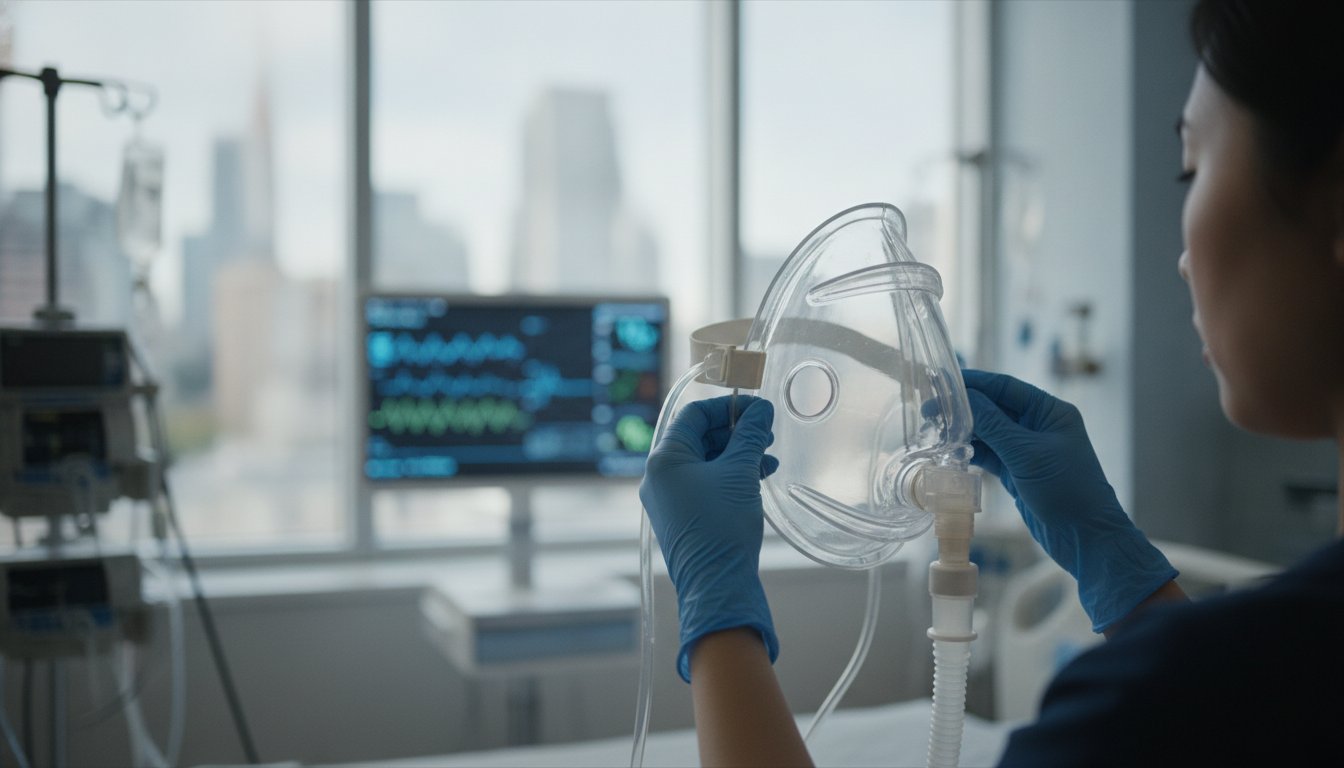
What if the very interface designed to save a patient’s life is the same one causing them preventable physical trauma? Respiratory therapists and clinical leads understand that non-invasive ventilation is a delicate balancing act. You require a rigorous, leak-free seal to eliminate nuisance ventilator alarms, yet even slight over-tightening can cause debilitating skin breakdown and patient distress within hours. Partnering with a specialized NIV mask supplier Canada ensures your team has access to interfaces that resolve this tension without compromising clinical efficacy.
It’s a compromise that no clinician wants to make, especially when patient compliance is at stake. This guide evaluates the leading hospital-grade solutions for Canadian environments, focusing on how advanced cushion technologies and ergonomic designs reduce pressure injuries. We’ll also examine how a streamlined distribution model can help your facility navigate the 2026 Health Canada regulatory amendments while eliminating the supply chain delays that frequently stall critical respiratory care.
Key Takeaways
- Learn how prioritizing “skin-first” interface selection and advanced cushion technology can effectively prevent pressure injuries during prolonged non-invasive ventilation.
- Understand how managing mask dead space and seal integrity directly improves CO2 clearance and overall patient-ventilator synchrony in the ICU.
- Discover the benefits of consolidating your respiratory disposables through a specialized NIV mask supplier Canada to ensure reliable stock and compliance with new Health Canada regulations.
- Identify why ongoing clinical training and technical support are essential for maximizing the efficacy of specialized interfaces like total-face masks in complex clinical scenarios.
The Landscape of NIV Interfaces in Canadian Hospitals
Non-invasive ventilation (NIV) has become a cornerstone of acute respiratory failure management in Canadian hospitals. Unlike consumer-grade CPAP masks designed for home sleep apnea therapy, hospital-grade interfaces are engineered for the high pressures and rigorous demands of the ICU. These interfaces must facilitate precise titration while maintaining a stable seal under varying ventilatory loads. As a specialized NIV mask supplier Canada, Novus Medical emphasizes that these clinical tools are precision instruments rather than simple disposables. They are specifically designed to minimize dead space and optimize gas exchange during critical care interventions.
To better understand the nuances of fitting these clinical interfaces, watch this helpful guide:
Canadian ICUs are increasingly adopting a “skin-first” approach to interface selection. This shift recognizes that pressure necrosis on the nasal bridge or forehead isn’t just a minor complication; it’s a significant barrier to therapy compliance. Clinicians now prioritize masks with advanced cushion materials, such as soft silicone or gel, that distribute pressure evenly across the facial contour. This focus on skin integrity helps prevent the painful tissue damage that can occur during the prolonged sessions required for respiratory recovery, ultimately reducing the incidence of hospital-acquired pressure injuries.
Vented vs. Non-Vented: Matching the Mask to the Ventilator
Selecting the correct interface requires a deep understanding of the ventilator circuit in use. Single-limb systems typically require vented masks with integrated exhalation ports to prevent CO2 rebreathing. In contrast, dual-limb systems, like those used with the Monnal™ T60 Advanced, utilize non-vented masks where the ventilator itself manages the exhalation phase through its own expiratory valve.
Non-vented hospital masks must include an anti-asphyxiation valve. This critical safety mechanism ensures the patient can breathe room air if the ventilator fails or the circuit becomes disconnected. Choosing an experienced NIV mask supplier Canada ensures your facility receives the technical guidance necessary to match these interfaces correctly with your specific fleet of ventilators, ensuring both safety and therapeutic efficacy.
Clinical Selection Criteria: Comfort, Seal, and Skin Integrity
An interface-related pressure injury is localized damage to the skin or underlying soft tissue resulting from sustained pressure from a medical device; these injuries significantly increase hospital stay duration and elevate the complexity of care. Selecting the right materials is the primary line of defence. Gel cushions offer superior adaptability to facial contours by distributing pressure across a wider surface area, while high-grade silicone provides a durable, hypoallergenic seal for consistent therapy. As a specialized NIV mask supplier Canada, we recognize that the choice between these materials depends on the patient’s specific skin frailty and the anticipated duration of therapy.
Beyond comfort, managing “dead space” within the mask is vital for clinical efficacy. Excessive internal volume can lead to CO2 rebreathing and poor patient-ventilator synchrony, causing the patient to “fight” the machine and increasing the work of breathing. Modern hospital-grade masks are engineered to minimize this volume, ensuring rapid gas exchange and improved trigger sensitivity for the patient. Adjustable headgear further supports this by allowing clinicians to maintain an effective seal without applying excessive force to the patient’s delicate facial tissues.
Prioritizing Skin Protection in Acute Care
Redistributing pressure points is a critical clinical strategy for long-term success. Alternating between different interface types prevents continuous stress on the nasal bridge, which is a common site for tissue necrosis. Total face masks are particularly effective in this regard as they seal around the perimeter of the face, avoiding sensitive midline structures entirely. Additionally, specialized breathable materials manage moisture buildup, effectively reducing the friction that leads to skin maceration.
Optimizing Clinician Workflow and Fitting
Efficiency at the bedside is paramount during respiratory emergencies. Standardized sizing guides and colour-coded elbows allow for rapid identification of mask types and circuit compatibility. This technical precision reduces fitting time and ensures the seal is effective from the first breath. If you are refining your facility’s procurement strategy, you can explore our clinical interface portfolio to see these features in practice.

Top Clinical Interface Categories for Acute Care
Full-face masks remain the clinical standard for managing acute respiratory distress, as they effectively accommodate patients who breathe primarily through their mouths or require high inspiratory pressures. These interfaces ensure the secure, stable seal that is essential for maintaining synchrony with advanced ventilators. Conversely, nasal interfaces are often utilized during step-down care or for patients with chronic respiratory needs. They facilitate better patient communication and oral nutrition, making them a strategic choice for patients transitioning toward weaning while still requiring pressure support.
Total Face Masks for Complex Patient Profiles
Standard full-face masks sometimes struggle to accommodate patients with distinct facial irregularities, facial trauma, or those who lack dental support. Total face interfaces resolve this by sealing around the facial perimeter, an area less prone to pressure-related tissue damage than the sensitive nasal bridge. This design is also particularly beneficial for claustrophobic patients because it maintains a clear line of sight, which can significantly improve therapy compliance and reduce patient anxiety during acute interventions.
Specialized Interfaces for the NICU and PICU
In neonatal and paediatric environments, the priority shifts toward protecting the extremely fragile skin of premature infants. Specialized interfaces, including Neotech infant care products and the RAM NIV cannula, are engineered to provide effective ventilation while adhering to strict developmental care protocols. These tools help clinicians balance the need for respiratory support with the imperative to prevent septal erosion and other injuries. Choosing a dedicated NIV mask supplier Canada allows your facility to access these specialized paediatric and adult interfaces from a single, reliable source.
As a specialized NIV mask supplier Canada, we provide the technical expertise and inventory depth required to support these complex clinical needs. You can review our complete selection of NIV masks and infant care products to enhance your facility’s respiratory protocols and improve patient outcomes across all age groups.
Partnering with a Specialized NIV Mask Supplier in Canada
Selecting a high-performance patient interface is only the first step in optimizing respiratory outcomes. For Canadian clinical administrators, the logistical and technical framework supporting those products is equally vital. Navigating the domestic medical device supply chain requires a partner who understands the specific regulatory environment, including the 2026 Health Canada amendments. As a dedicated NIV mask supplier Canada, Novus Medical acts as a bridge between global medical innovation and local bedside care, ensuring that advanced technology is always backed by reliable availability and professional expertise.
National Support and Technical Excellence
Equipment reliability is non-negotiable in acute care environments. Comprehensive service contracts provide the assurance that respiratory systems remain operational 24/7, reducing the risk of unexpected downtime. Beyond hardware maintenance, we prioritize clinical education through specialized workshops and training programs. These initiatives empower respiratory teams to master the nuances of mask fitting and ventilator synchrony, which directly improves the return on investment for your facility’s technology. Clinicians who are well-trained in interface selection can more effectively reduce the incidence of pressure injuries and improve patient compliance.
Streamlined Procurement for Canadian Healthcare Systems
Choosing a reliable NIV mask supplier Canada allows for the consolidation of your respiratory therapy needs, which significantly simplifies the procurement process. By sourcing everything from NIV masks to advanced ventilators like the Monnal™ T60 Advanced from one partner, hospitals can eliminate the complexities of managing multiple international vendors. This model ensures seamless warranty fulfillment and localized technical support that global manufacturers often can’t provide. A domestic partner understands the urgency of Canadian clinical workflows, offering a level of continuity that’s essential for maintaining high standards of patient care. This integrated approach ensures that your team spends less time on logistics and more time on direct patient intervention. For facilities looking to standardize their approach, a comprehensive guide on implementing non-invasive ventilation equipment in Canadian clinical settings can provide a valuable roadmap for selection, safety protocols, and supply chain management. For facilities that also manage high-acuity transfers, understanding the interface requirements for portable ventilator critical care transport is an equally important consideration when standardizing your respiratory equipment strategy.
Advancing Clinical Outcomes Through Strategic Interface Selection
Optimizing non-invasive ventilation requires more than just high-performance ventilators; it demands a precise clinical interface that protects the patient while ensuring therapeutic efficacy. By focusing on advanced cushion technologies and ergonomic designs, healthcare providers can effectively minimize the risk of pressure-related injuries and improve therapy compliance. Choosing a dedicated NIV mask supplier Canada ensures your facility has access to specialized interfaces, from neonatal nasal cannulas to adult total-face masks, all backed by a robust domestic supply chain.
Novus Medical serves as an exclusive Canadian distributor for leading respiratory brands, offering comprehensive clinical training and technical support to help your team deliver excellence at the bedside. Our national distribution network is designed to provide the reliability and professional guidance your acute care facility needs to navigate complex respiratory challenges. Contact Novus Medical for specialized NIV interface solutions across Canada and take the next step in enhancing your patient care protocols. We look forward to supporting your team’s commitment to clinical excellence.
Frequently Asked Questions
What is the difference between a vented and non-vented NIV mask in a hospital setting?
Vented masks feature integrated exhalation ports to allow the escape of CO2, typically used with single-limb circuits. Non-vented masks lack these ports and are designed for dual-limb circuits where the ventilator manages exhalation via an expiratory valve. Choosing the incorrect type can lead to dangerous CO2 rebreathing or ventilator alarms. Always ensure your interface matches the specific circuit requirements of your clinical environment to maintain patient safety.
How do total face masks help prevent skin breakdown on the nasal bridge?
Total face masks prevent skin breakdown by shifting the seal away from the sensitive midline of the face to the outer perimeter. By sealing around the forehead, cheeks, and chin, the interface avoids direct pressure on the nasal bridge, which is the most common site for tissue necrosis. This large surface area distributes strap tension more evenly, significantly reducing the risk of localized pressure injuries during prolonged sessions of non-invasive ventilation.
Why is dead space a critical factor when selecting an NIV interface for ICU patients?
Dead space represents the internal volume of the mask where exhaled gas can be trapped and rebreathed. In ICU settings, minimizing this volume is essential for effective CO2 clearance and maintaining patient-ventilator synchrony. Excessive dead space forces the patient to work harder to trigger the ventilator and can lead to hypercapnia. Selecting an interface with a low internal volume ensures that every breath delivers the intended therapeutic pressure and oxygenation.
Can hospital-grade NIV masks be used with any ventilator brand in Canada?
Most hospital-grade interfaces use standardized 22mm connectors, making them compatible with various ventilator brands across the country. However, you must verify that the mask’s venting configuration matches the ventilator’s circuit type. As a specialized NIV mask supplier Canada, we recommend consulting with clinical experts to ensure seamless integration. This verification prevents circuit mismatches that could compromise patient safety or trigger persistent, nuisance alarms during critical care delivery.
How should Canadian hospitals evaluate an NIV mask supplier for long-term reliability?
Hospitals should prioritize a supplier that holds a valid Medical Device Establishment Licence (MDEL) and demonstrates compliance with Health Canada’s safety reporting regulations. Evaluation should also include the availability of national technical support and clinical training programs for staff. A reliable NIV mask supplier Canada should offer more than just inventory; they must provide the logistical stability and professional expertise required to maintain high standards of respiratory care over time.
Disclaimer
Disclaimer: Articles on this website are produced with the assistance of automated content tools (AutoSEO) and are intended solely for general informational purposes. This content does not constitute professional advice. While we strive to maintain accurate and up-to-date information, readers should verify key details independently before taking action based on any content found on this site.