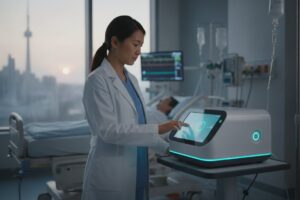
How much of a respiratory therapist’s specialized time is lost to the manual labour of managing high-pressure gas cylinders? In busy Canadian ICUs and NICUs, the physical strain of moving heavy tanks and the constant pressure of supply chain logistics often create a “cylinder ceiling” that limits workflow efficiency. Adopting a portable nitric oxide delivery system that generates gas from ambient air represents more than just a technological upgrade; it’s a fundamental shift in how hospitals manage critical care resources.
You likely recognize that the traditional model of inhaled nitric oxide (iNO) therapy is fraught with hidden costs, from cylinder “rent” and wasted gas during purging to the spatial challenges of crowded bedside environments. This article demonstrates how bedside generation eliminates these logistical burdens and reduces the total cost of ownership for your facility. We’ll explore the clinical advantages of removing the cylinder from the equation, focusing on how streamlined workflows and enhanced patient safety during intra-hospital transport are now achievable for Canadian healthcare teams.
Key Takeaways
- Understand how on-site generation removes the “cylinder ceiling,” eliminating the physical strain and logistical complexity of managing high-pressure gas tanks.
- Discover the science behind a portable nitric oxide delivery system that utilizes electrical discharge to create precise iNO doses from ambient air while ensuring safety through advanced filtration.
- Evaluate the spatial and temporal advantages of generator-based therapy, including the reduction of setup times and the optimization of the equipment footprint in crowded NICUs and ICUs.
- Identify practical strategies for implementing cylinder-free solutions in your facility, from initial bottleneck assessments to conducting evidence-based clinical trials.
- Learn how Novus Medical supports Canadian healthcare providers through exclusive access to the LungFit® PH and comprehensive national technical support and training.
The Evolution of Portable Nitric Oxide Delivery Systems
A portable nitric oxide delivery system serves as a vital clinical tool for selective pulmonary vasodilation, providing essential support in critical care settings. Traditionally, clinicians relied on complex medical gas therapy protocols that required massive, high-pressure cylinders. The history of iNO delivery has moved from these bulky, fixed installations toward sophisticated, lightweight bedside generators. This evolution reflects a broader trend in Canadian healthcare; portability is no longer just a requirement for intra-hospital transport. It’s now a necessity for bedside flexibility in crowded intensive care environments. Canadian hospitals are increasingly focused on reducing supply chain vulnerabilities, making on-site gas generation a strategic priority to ensure continuity of care during logistical disruptions.
The Limitations of Traditional Cylinder-Based Systems
Handling heavy gas bottles in a high-acuity ICU presents significant physical hazards for respiratory therapists and support staff. Beyond the ergonomic risks of moving heavy pressurized tanks, traditional systems are prone to technical inefficiencies. “Dead-legs” in the delivery lines often require frequent purging to remove accumulated nitrogen dioxide, which leads to substantial gas waste and inflated operational costs. Space constraints also pose a challenge. Storing multiple backup cylinders takes up valuable floor space in the NICU or trauma bay. Additionally, the administrative burden of tracking tank rentals, monitoring expiry dates, and coordinating returns adds unnecessary complexity to hospital operations.
Defining Bedside iNO Generation
On-demand production allows clinicians to generate nitric oxide at the patient’s side using nothing more than ambient air. This technology utilizes a controlled electrical discharge to synthesize NO, ensuring consistent purity and precise concentration for therapeutic use. Advanced sensor arrays monitor the output, maintaining safety standards without the need for external gas sources. By removing the requirement for a physical gas inventory, a modern portable nitric oxide delivery system aligns perfectly with “lean” hospital management principles. It simplifies the respiratory therapy workflow, allowing highly skilled staff to focus on patient outcomes rather than managing heavy hardware. This technological shift represents a move toward greater clinical autonomy and long-term operational reliability within the Canadian medical system.
How Bedside iNO Generation Works Without Cylinders
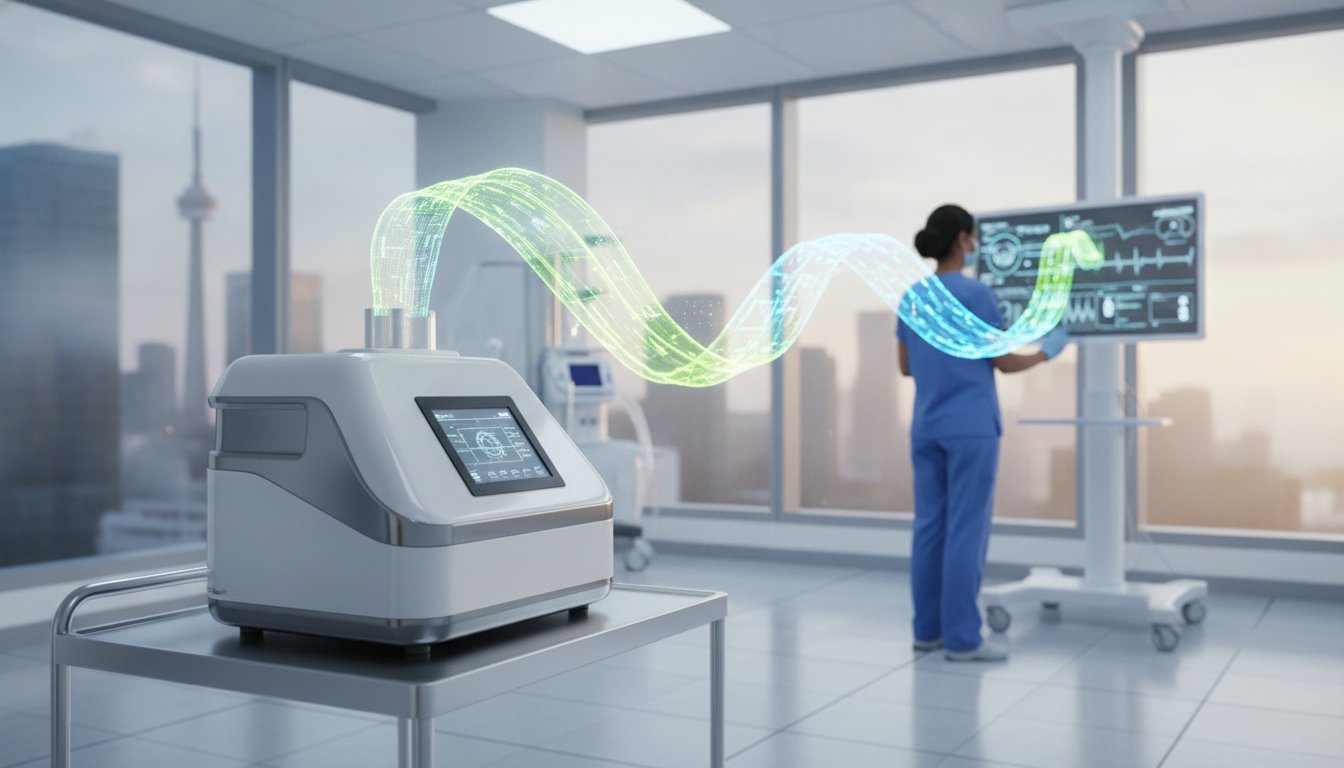
The shift toward a cylinder-free environment relies on sophisticated electrochemical engineering that allows for the safe production of medical gas in real time. Unlike traditional methods that store gas under extreme pressure, a modern portable nitric oxide delivery system synthesizes the molecule on demand. This process begins with the intake of ambient room air, which is then passed through a series of internal filters to remove particulate matter and moisture. Once purified, the air enters the heart of the device where it undergoes a transformation into therapeutic gas, removing the clinical team’s dependence on external supply chains.
From Ambient Air to Therapeutic Gas
The conversion process is both methodical and precise, ensuring that the patient receives a consistent concentration of gas regardless of the hospital’s environmental conditions. After intake, the air is directed into a specialized chamber where the nitrogen and oxygen molecules are dissociated. Plasma generation serves as the core mechanism for creating nitric oxide by applying a controlled electrical discharge to ambient air molecules. This reaction creates a stable stream of nitric oxide at a high concentration, typically around 800 ppm, which is then diluted to the specific dose required by the patient. Because the system generates gas continuously, it maintains therapeutic levels without the risk of “running out” during a critical procedure or transport. Clinicians looking to modernize their respiratory care can find more information about these innovative medical solutions at Novus Medical.
Ensuring Purity and Safety Standards
Safety is paramount when generating medical gases at the bedside, and modern generators are designed with multiple layers of protection. While the electrical discharge creates nitric oxide, it also produces trace amounts of nitrogen dioxide (NO2) and ozone. To mitigate this, the portable nitric oxide delivery system employs high-efficiency scrubbing filters that chemically remove these toxic byproducts before the gas reaches the patient circuit. Adhering to clinical guidelines for nitric oxide, the device utilizes dual-redundant sensors to realize real-time mass flow monitoring. These sensors ensure that the delivered dose remains accurate to within a fraction of a percent, even if the patient’s inspiratory flow changes rapidly.
Beyond primary generation, integrated backup systems are a critical component of cylinder-free designs. Should the primary generation module encounter an error, internal reserve systems or secondary modules activate immediately to prevent any interruption in therapy. It’s a level of redundancy that meets stringent Health Canada and international safety standards, providing clinicians with the confidence that their patients remain protected at all times. By removing the physical inventory of tanks, the facility reduces the risk of delivery errors associated with incorrect cylinder concentrations or empty bottles.
Comparing Workflow Efficiency: Traditional Cylinders vs. Generator Systems
Transitioning from compressed gas cylinders to a portable nitric oxide delivery system fundamentally redefines the operational footprint of a respiratory therapy department. While traditional therapy involves managing heavy, pressurized tanks, bedside generation allows for immediate activation without the logistical lag of “tank swaps” or manual purging. This shift reduces the spatial burden in high-acuity zones like the NICU, where floor space is a premium resource. A compact generator unit occupies a fraction of the space required for a dual-cylinder transport cart, allowing for better access to the patient and other critical equipment.
The Respiratory Therapist Workflow
Visualizing a typical shift, the time saved by removing cylinder logistics is substantial. Manual pre-use checkouts for cylinders can be a significant time-sink for respiratory therapists, often requiring several minutes of precise purging and calibration. In contrast, modern generators utilize automated internal diagnostics that complete these checks in a fraction of the time. This automation doesn’t just save minutes; it reduces the physical strain and repetitive motion injury risks associated with moving heavy cylinders across hospital floors. Intra-hospital transport becomes significantly safer and more efficient, as the clinician isn’t struggling with a top-heavy cart while manoeuvring through elevators and crowded hallways. A portable nitric oxide delivery system ensures that therapy isn’t interrupted by empty tanks during these critical patient moves.
Supply Chain and Procurement Benefits
Beyond the bedside, the administrative advantages are equally compelling. Hospitals often face “just-in-time” anxiety regarding medical gas deliveries, especially in remote Canadian facilities. Bedside generation eliminates this vulnerability by removing the reliance on external gas supply chains. Financially, it simplifies hospital budgeting by replacing variable monthly gas costs and cylinder rental fees with a predictable model. For a detailed inhaled nitric oxide cost comparison between traditional cylinders and bedside generation, hospital administrators can evaluate the full financial impact of this transition. Facilities no longer have to worry about “orphaned” gas, which is the usable nitric oxide left in a tank that must be returned due to expiry or policy. This transition also reduces the hospital’s environmental footprint, as it eliminates the need for frequent heavy truck deliveries of gas bottles.

Implementing Portable iNO Solutions in Your Facility
Successfully integrating a portable nitric oxide delivery system into a hospital’s respiratory care program requires more than just a hardware swap. It involves a strategic transition that addresses both clinical workflows and administrative oversight. By moving away from the logistical constraints of cylinders, facilities can reallocate specialized labour toward direct patient care. This process begins with a thorough understanding of current usage patterns and identifying where the most significant bottlenecks occur in the daily routine of respiratory therapists.
Step 1: Clinical and Operational Assessment
The first stage involves a comprehensive audit of your facility’s current iNO spend and RT time allocation. Evaluate how many hours per month are dedicated to cylinder transport, inventory management, and manual pre-use checkouts. High-use areas such as the NICU or Cardiac OR typically offer the fastest return on investment when transitioning to bedside generation. Beyond financial metrics, assess your physical infrastructure. Modern generators require dedicated mounting centres and reliable power sources, though they significantly reduce the overall footprint compared to dual-cylinder carts. Identifying these requirements early prevents delays during the pilot phase.
Step 2: Staff Training and Change Management
Clinical confidence is the cornerstone of any successful technology adoption. Hands-on workshops allow staff to familiarize themselves with the interface and automated diagnostics of the new equipment. It’s essential to develop clear protocols for transitioning patients from existing cylinder-based setups to bedside generators without interrupting therapy. Novus Medical acts as a partner in this transition, providing specialized clinical training programs designed to build technical proficiency. These resources help ensure that every member of the team feels secure in the system’s reliability and safety features. You can contact Novus Medical to schedule a clinical consultation for your team.
Step 3: Technical Integration and Support
Seamless integration means ensuring the portable nitric oxide delivery system is fully compatible with your existing fleet of critical care ventilators. Whether the system is used in a stationary ICU setting or during intra-hospital transport with an incubator, the connections must be standardized and secure. Establishing a routine maintenance schedule with authorized service providers is vital for long-term operational stability. National technical support and maintenance contracts provide a layer of security, ensuring that the hardware performs at peak efficiency throughout its lifespan. By securing these long-term support structures, Canadian hospitals can mitigate supply chain risks and maintain a high standard of pulmonary care.
Advancing Patient Care with Novus Medical and LungFit® PH
The transition toward a cylinder-free clinical environment culminates in the adoption of technology that is both innovative and dependable. As the exclusive Canadian distributor for the LungFit® PH, Novus Medical provides healthcare facilities with a definitive solution to the logistical and financial burdens of traditional iNO therapy. This portable nitric oxide delivery system isn’t just a piece of hardware; it represents a commitment to elevating the standard of respiratory care across the country. By removing the “cylinder ceiling,” hospitals can finally align their critical care capabilities with the demands of modern, lean medical management.
The LungFit® PH Advantage
The LungFit® PH is engineered specifically to meet the rigorous demands of the Canadian ICU and NICU environments. Its primary strength lies in its ability to generate high-purity nitric oxide from ambient air, ensuring a constant supply of therapeutic gas without the risk of depletion. The device features a highly intuitive, user-friendly interface designed to minimize the risk of human error during high-stress clinical situations. This clarity is essential when clinicians are managing complex patient needs in crowded bedside spaces. Because the system produces a consistent concentration of gas with automated byproduct scrubbing, it maintains the highest safety standards required for neonatal and adult pulmonary care. Its compact design allows for seamless integration into existing workflows, providing a level of reliability that traditional tanks simply cannot match.
Your Partner in Respiratory Innovation
Choosing Novus Medical means gaining a long-term partner dedicated to the technical proficiency of your clinical team and the quality of patient outcomes. Our support extends far beyond the initial sale, encompassing the entire lifecycle of the device through national technical support and comprehensive maintenance contracts. We understand that specialized medical hardware requires specialized education. Drawing on the success of our professional skill-building models, such as the MagVenture Accelerator Training Program, we provide clinical teams with the hands-on training necessary to master new technologies. This ensures that every respiratory therapist feels confident and supported when transitioning to a portable nitric oxide delivery system.
Our commitment to the Canadian healthcare community is rooted in stability and expert guidance. We act as the bridge between global medical innovation and local bedside application, ensuring that your facility has access to the latest advancements in pulmonary therapy. By establishing a routine maintenance schedule and providing reliable warranty services, we help maximize the lifespan of your investment while safeguarding patient health. We invite you to contact Novus Medical to discuss integrating LungFit® PH into your facility and discover how we can help optimize your clinical workflows.
Modernizing Respiratory Care Through Bedside Innovation
Adopting a portable nitric oxide delivery system marks a significant transition toward a more resilient and efficient clinical workflow. By generating iNO from ambient air, your facility can eliminate the physical hazards and administrative burdens associated with high-pressure cylinder logistics. This evolution doesn’t just save time for respiratory therapists; it enhances patient safety during intra-hospital transport and reduces total operational costs. The shift toward cylinder-free therapy represents a “lean” approach that prioritizes direct patient care over supply chain management.
As the exclusive Canadian distributor for the LungFit® PH, Novus Medical provides the expertise and infrastructure necessary for a seamless implementation. We offer comprehensive national technical support, robust warranty coverage, and specialized clinical training to ensure your team is fully equipped for this technological advancement. Our commitment to the Canadian healthcare community is built on reliability and a mission-driven approach to patient outcomes. We’re ready to help you optimize your facility’s pulmonary care protocols and realize a more sustainable future for medical gas delivery.
Request a Clinical Consultation for LungFit® PH and take the first step toward a cylinder-free ICU.
Frequently Asked Questions
Is generated nitric oxide as safe as cylinder-based NO for neonatal patients?
Generated iNO is clinically equivalent in safety to cylinder-based gas for neonatal patients. The system utilizes sophisticated sensors to monitor gas concentration and high-efficiency filters to scrub nitrogen dioxide and ozone. By producing gas in real-time, the device avoids the risk of gas degradation often found in older cylinders. This ensures a consistent, high-purity supply that meets stringent Health Canada safety standards for the most vulnerable patients in the NICU.
How does the LungFit® PH handle power outages during bedside use?
The LungFit® PH includes an integrated battery backup system to ensure uninterrupted therapy during power outages or bedside transfers. This internal power source activates automatically if the primary electrical connection is lost, providing sufficient duration for emergency response or transport. The system also provides clear visual and audible alerts to notify clinicians of power status changes, ensuring that patient safety is never compromised during a facility-wide electrical disruption.
Can a portable nitric oxide delivery system be used during intra-hospital transport?
A portable nitric oxide delivery system is specifically engineered for use during intra-hospital transport, including transfers between the NICU, ICU, and surgical suites. Its compact footprint and internal battery eliminate the need to manoeuvre heavy gas cylinders through elevators and crowded hallways. This mobility ensures that patients receive continuous pulmonary vasodilation therapy during critical movements, reducing the logistical complexity for the transport team while maintaining stable therapeutic levels.
What are the maintenance requirements for a cylinder-free iNO generator?
Maintenance for a cylinder-free iNO generator is streamlined compared to traditional systems, focusing on periodic component replacements rather than gas inventory management. Key requirements include the routine replacement of specialized filters and sensors to ensure continued gas purity and monitoring accuracy. Novus Medical provides national technical support and maintenance contracts to handle these updates, including software optimizations and hardware calibrations that maximize the long-term reliability of the device.
Does the LungFit® PH require specialized room ventilation?
No specialized room ventilation is required when using the LungFit® PH in a standard hospital environment. The system draws in ambient room air to generate nitric oxide and releases only trace amounts of gas that fall well within safe environmental limits. Because it eliminates the need for purging large volumes of gas from high-pressure tanks, the overall environmental impact and ambient gas levels are lower than those associated with traditional cylinder-based setups.
How much time can respiratory therapists save by switching to generated iNO?
Respiratory therapists save significant time by eliminating the labour-intensive tasks of moving, tracking, and swapping heavy gas cylinders. Automated pre-use diagnostics replace the manual purging and calibration steps required for pressurized tanks, allowing clinicians to initiate therapy in seconds. This shift allows specialized staff to reallocate their time toward direct patient assessment and other high-value clinical tasks, significantly improving overall department workflow efficiency in busy Canadian hospitals.
Is the LungFit® PH compatible with all major ventilator brands used in Canada?
The LungFit® PH is designed for universal compatibility with all major critical care ventilator brands and transport incubators currently used in Canada. The system integrates seamlessly into existing patient circuits using standardized connectors and sensors that monitor inspiratory flow without interfering with ventilator performance. This ensures that facilities can modernize their iNO delivery without needing to replace their current fleet of respiratory equipment, facilitating a more cost-effective transition to cylinder-free technology.
What training is required for clinical staff to operate the LungFit® PH?
Clinical staff must complete a specialized training program to ensure technical proficiency and patient safety when operating the device. Novus Medical provides comprehensive on-site implementation support and clinical workshops that cover setup, monitoring, and troubleshooting. These programs are designed to build confidence in the new technology, ensuring that all respiratory therapists and nursing staff can manage the transition from traditional cylinders to bedside generation with professional ease.
Disclaimer
Disclaimer: Articles on this website are produced with the assistance of automated content tools (AutoSEO) and are intended solely for general informational purposes. This content does not constitute professional advice. While we strive to maintain accurate and up-to-date information, readers should verify key details independently before taking action based on any content found on this site.