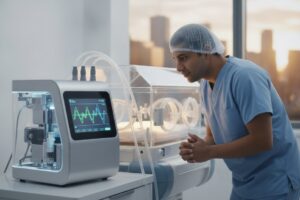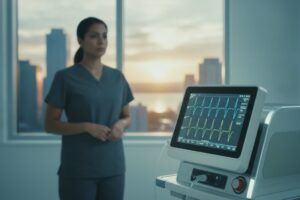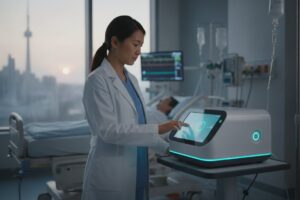
The most resilient supply chain for inhaled nitric oxide (iNO) is the one that doesn’t exist at all. For years, Canadian clinical teams have balanced the life-saving necessity of iNO with the logistical burden of managing heavy medical gas cylinders, navigating delivery delays, and dedicating valuable floor space to hazardous compressed gases. You likely recognize the persistent inefficiency of paying for cylinder rentals and the frustration of gas waste during mandatory purge volumes, all while managing the inherent risks of nitrogen dioxide (NO2) accumulation during storage.
It’s time to realize that a more self-sufficient and reliable approach is now available for your facility. By adopting a modern nitric oxide supply chain alternative, hospitals can transition away from external dependencies and toward bedside generation. This article explores how the LungFit® PH system eliminates traditional logistics risks and reduces operational costs by producing high-purity iNO from ambient air on demand. We will preview how this technological shift simplifies clinical workflows, ensures a continuous supply for neonatal patients, and provides a level of stability that legacy gas delivery models simply cannot match.
Key Takeaways
- Analyze the logistical vulnerabilities inherent in traditional cylinder-based delivery, including the safety risks and storage challenges associated with high-pressure compressed gases.
- Discover how bedside generation provides a resilient nitric oxide supply chain alternative by utilizing ambient air and electricity to produce therapeutic gas on demand.
- Evaluate the clinical benefits of in-situ synthesis, such as immediate gas availability during critical care emergencies and enhanced dosing precision at the patient interface.
- Assess the financial impact of transitioning from unpredictable operational expenses to a stable capital investment model that eliminates hidden costs like freight and cylinder rentals.
- Learn how to implement the LungFit® PH system within your facility to realize a more self-sufficient, streamlined clinical workflow supported by national technical expertise.
The Vulnerability of Traditional iNO Supply Chains
The traditional model of delivering inhaled nitric oxide (iNO) relies on a complex, external logistics network that’s increasingly prone to disruption. It’s vital to distinguish this medical therapy from industrial nitric acid; while the latter is a chemical precursor, medical iNO is a specialized pharmaceutical gas. Because nitric oxide’s biological functions involve potent vasodilation, any supply interruption can have immediate clinical consequences. Hospitals currently face a significant logistical burden when managing heavy, high-pressure cylinders. These tanks require specialized storage, frequent inventory audits, and reliable transportation across vast Canadian distances. Feedstock volatility and fuel price fluctuations often lead to unpredictable surcharges, making the search for a nitric oxide supply chain alternative a clinical and financial priority.
The High Cost of Cylinder Dependency
Relying on third-party gas suppliers introduces several hidden financial drains. Cylinder rentals and demurrage fees accumulate daily, even when the gas isn’t in active use. A particularly frustrating inefficiency is the phenomenon of purge waste. During the setup of legacy delivery systems, a volume of gas is lost to clear the lines, essentially flushing expensive medication away before it reaches the patient. Beyond these direct costs, the administrative overhead of tracking inventory and managing returns consumes hundreds of staff hours annually. When delivery delays occur due to weather or transportation hazards, the risk to neonatal care becomes a clinical emergency. This often forces facilities to maintain excessive safety stock that takes up valuable floor space.
Environmental and Safety Implications
Transporting heavy steel cylinders from centralized production facilities to hospitals across Canada creates a substantial carbon footprint. Within the hospital, the risks shift toward staff safety and gas stability. Compressed gas tanks are physical hazards that require rigorous handling protocols to prevent workplace injuries during transport or setup. There’s also a chemical concern regarding storage. Over time, nitric oxide can react with trace oxygen inside the cylinder to form nitrogen dioxide (NO2), which is a toxic impurity. While bedside generation acts as a superior nitric oxide supply chain alternative, the traditional method forces clinicians to monitor for NO2 buildup constantly. Storing large volumes of compressed gas in or near intensive care units introduces a level of liability that modern respiratory technology can finally eliminate.
Bedside Generation: The Ultimate Supply Chain Alternative
The transition from external gas procurement to on-site production represents a fundamental shift in respiratory therapy. Bedside generation uses ambient air and electricity to synthesize high-purity gas at the point of care. This technology serves as the ultimate nitric oxide supply chain alternative by removing the need for third-party deliveries and external feedstock. Instead of managing a constant cycle of consumable gas orders, hospitals adopt a medical device model where the therapeutic agent is produced exactly when and where it’s needed. This evolution effectively eliminates the "last-mile" delivery risk that often haunts critical care units during weather events or logistics strikes.
How Ambient Air Becomes Medicine
The science behind this shift relies on cold plasma technology. Unlike cylinders that require complex industrial distillation and specialized mixing at a factory, bedside generators create the therapeutic gas locally. The LungFit® PH system utilizes a sophisticated electrochemical process to produce nitric oxide from the nitrogen and oxygen already present in the hospital room. To ensure patient safety, the LungFit® PH incorporates advanced multi-stage filtration to remove impurities and maintain precise gas purity standards. This on-demand synthesis is particularly vital for various Clinical applications of iNO, such as treating persistent pulmonary hypertension in neonates, where a stable and immediate gas supply is a clinical necessity.
Simplifying Hospital Infrastructure
Adopting a tankless system fundamentally transforms hospital architecture and daily operations. Facilities no longer need to dedicate square footage to reinforced gas storage rooms or manage heavy loading dock traffic for frequent cylinder swaps. Intra-hospital transport becomes significantly safer, as clinicians don’t have to navigate crowded hallways or elevators with high-pressure tanks. By removing the requirement for complex gas manifold systems and centralized piping, hospitals gain immense flexibility in how they organize their critical care units. This "zero-logistics" approach allows your team to focus on patient outcomes rather than inventory management and administrative tracking. You can realize these infrastructure improvements by partnering with the experts at Novus Medical to modernize your respiratory department.
Clinical and Operational Benefits of In-Situ Synthesis
The shift toward in-situ synthesis provides clinical teams with a level of autonomy that traditional cylinder models cannot replicate. When a hospital adopts a nitric oxide supply chain alternative, the primary clinical gain is instant availability. In an emergency, clinicians don’t have to wait for a technician to fetch a heavy tank from a centralized storage room. Instead, the LungFit® PH produces gas at the patient interface immediately. This speed is matched by dosing precision, as bedside generation allows for tighter control over iNO concentrations. Because the system produces gas only as needed, it significantly reduces the patient’s potential exposure to nitrogen dioxide (NO2), a toxic byproduct that often accumulates during long-term cylinder storage.
Respiratory therapists and nursing staff also experience a marked improvement in daily workflow efficiency. The administrative burden of tracking gas lot numbers, monitoring expiration dates, and physically hauling high-pressure tanks is removed. This allows staff to focus on direct patient care rather than inventory management. Beyond the bedside, the cost-effectiveness of iNO therapy is enhanced when clinicians can eliminate the waste associated with purge volumes and unused gas remaining in cylinders that are returned before they are truly empty.
Improving Persistent Pulmonary Hypertension (PPHN) Outcomes
In the neonatal intensive care unit (NICU), consistent delivery is paramount. For newborns with persistent pulmonary hypertension, any interruption in therapy can trigger dangerous rebound hypertension. Traditional cylinder systems carry the risk of running out mid-treatment, requiring a high-stakes swap that can cause fluctuations in gas delivery. By utilizing a tankless nitric oxide supply chain alternative, facilities ensure an uninterrupted flow of therapy. This stability supports clinical excellence by maintaining a steady physiological state for the most vulnerable patients, ensuring that the therapeutic effect remains constant throughout the treatment course.
Operational Continuity in Remote Settings
For Canadian hospitals located far from major gas production hubs, the logistical challenges of iNO are magnified. Winter weather conditions and transport disruptions frequently threaten the delivery of life-saving supplies, creating a precarious situation for critical care departments. Bedside generation provides operational continuity by making the facility self-sufficient. Clinicians in remote settings can maintain the same standard of care as urban centres without the constant anxiety of emergency gas procurement. This independence reduces the reliance on complex transportation networks, ensuring that life-saving therapy is always accessible, regardless of external logistics or environmental factors.

Financial Impact: ROI of Supply Chain Independence
Adopting a nitric oxide supply chain alternative fundamentally restructures a hospital’s respiratory budget by shifting from an unpredictable operational expense (Opex) to a stable capital investment (Capex). For decades, facilities have been tethered to the fluctuating prices of pharmaceutical gases, often compounded by delivery surcharges and hazardous material handling fees. By transitioning to on-site generation, administrators can eliminate these variable costs entirely. This shift provides long-term financial predictability, as the primary cost of therapy moves from the gas itself to the predictable maintenance of the medical device. Beyond the invoice price of the gas, hospitals realize significant savings by removing the ongoing burden of cylinder rental fees and demurrage charges that accumulate when tanks sit idle in storage.
The financial drain of the traditional model extends into several "hidden" categories that often escape initial budget reviews. Freight costs for transporting heavy cylinders across Canada are substantial, particularly for facilities outside major metropolitan hubs. There are also increased insurance premiums associated with storing large volumes of high-pressure, hazardous gases within the clinical environment. Bedside generation prevents the costly clinical downtime that occurs when deliveries are delayed or when a facility runs out of safety stock during a patient surge. While some industry perspectives suggest that supply chain downtime is an inevitable risk, modern generation technology proves that these costs can be mitigated through self-sufficiency.
Calculating the Total Cost of Ownership
A true return on investment analysis must compare the lifecycle costs of the generation device against the cumulative expense of cylinder procurement. A critical factor in this calculation is the elimination of gas waste. In traditional systems, a significant percentage of the gas is lost during the initial purge volume or remains unused in the cylinder when it’s returned to the supplier. This waste effectively inflates the true price per hour of therapy. For a detailed inhaled nitric oxide cost comparison that breaks down cylinder procurement against bedside generation, hospital administrators can evaluate the full financial picture across both models. Modern generation systems like the LungFit® PH provide a more efficient model where every molecule produced is directed toward patient care. Automated tracking and usage logs further streamline the process, as they significantly reduce the administrative labour required for manual inventory audits and minimize the risk of complex billing errors.
Optimizing Hospital Budgets
Financial optimization also occurs through better resource allocation across the facility. Real estate within a hospital is incredibly valuable; reallocating space once dedicated to gas manifolds and reinforced storage rooms for clinical use can improve departmental throughput. Additionally, reducing the labour costs associated with the physical management, tracking, and hauling of gas tanks allows respiratory therapists to focus on higher-value clinical tasks. This standardization of costs makes it easier to manage budgets across a national hospital network, ensuring that every department operates with the same financial efficiency regardless of its geographic location. To see how your facility can achieve these savings, you can request a clinical consultation with Novus Medical to evaluate your current iNO expenditure.
Implementing the LungFit® PH System in Canadian ICUs
The integration of the LungFit® PH into Canadian hospitals represents a significant step toward clinical self-sufficiency and operational stability. As the exclusive distributor, Novus Medical facilitates this transition by providing the technical infrastructure and clinical expertise required to move away from traditional gas cylinders. This nitric oxide supply chain alternative is not merely a replacement for hardware; it is a comprehensive shift in how critical care units manage their therapeutic resources. Ensuring that your facility meets all Canadian medical device standards is a core component of this implementation process. By aligning with Health Canada regulations, hospitals can confidently adopt bedside generation, knowing the technology has undergone rigorous safety and efficacy reviews.
Professional Support and Training
Transitioning to a life-critical medical device demands a structured approach to education and authorized technical service. Novus Medical provides comprehensive training programs designed to ensure that respiratory therapists and nursing staff are fully proficient in bedside generation workflows. This hands-on guidance moves beyond basic operation, focusing on the nuances of on-demand synthesis and preventative system maintenance. Having access to national technical support is essential for maintaining the high reliability required in intensive care environments. Our experts work closely with clinicians during the initial implementation phase, providing the reassurance needed to manage the transition seamlessly without disrupting patient care. This pedagogical support ensures that your team feels empowered by the technology rather than burdened by the change.
Partnering for Future-Proof Respiratory Care
The decision to modernize your iNO delivery is a long-term investment in the resilience and sustainability of your facility. Novus Medical maintains a deep commitment to the Canadian healthcare community, serving as a steady guide in the adoption of advanced respiratory technologies. By integrating the LungFit® PH system, hospitals contribute to broader environmental goals by reducing the carbon footprint associated with medical gas logistics and eliminating the physical risks of high-pressure tanks. Evaluating your current vulnerabilities is the first step toward realizing these operational benefits. You can Contact Novus Medical for a supply chain risk assessment to determine how a nitric oxide supply chain alternative can optimize your clinical and financial outcomes. This partnership ensures that your department remains at the forefront of medical innovation while maintaining the highest standards of patient safety and operational reliability.
Securing the Future of Inhaled Nitric Oxide Therapy
Transitioning to bedside generation represents a fundamental evolution in how Canadian hospitals manage critical respiratory care. By removing the logistical vulnerabilities of high-pressure cylinders, facilities ensure that life-saving therapy is always available at the point of care, regardless of external supply chain disruptions. This shift not only optimizes operational budgets by eliminating gas waste and rental fees but also enhances staff safety by removing hazardous compressed gases from the clinical environment. Adopting a reliable nitric oxide supply chain alternative like the LungFit® PH allows your department to achieve true independence from third-party suppliers.
As the exclusive Canadian distributor of LungFit® technology, Novus Medical provides the national technical support and clinical expertise necessary for a seamless transition. We’re dedicated to supporting your team with comprehensive training and warranty fulfillment to ensure long-term success. Request a clinical consultation for the LungFit® PH system to begin modernizing your respiratory workflow today. Your facility can realize a more stable, self-sufficient future while maintaining the highest standards of patient care.
Frequently Asked Questions
What is the most reliable alternative to nitric oxide gas cylinders?
Bedside generation technology is the most reliable alternative to traditional cylinders. By utilizing ambient air and electricity, devices like the LungFit® PH produce therapeutic gas at the point of care. This approach removes the risks associated with third-party delivery delays and feedstock volatility. It represents a superior nitric oxide supply chain alternative that ensures clinicians always have immediate access to life-saving therapy without the burden of managing external logistics.
How does a nitric oxide generator differ from a traditional cylinder system?
A generator synthesizes nitric oxide locally from room air, while traditional systems deliver gas from pre-filled, high-pressure tanks. This technological shift means hospitals no longer need dedicated storage rooms or complex manifold piping. Generators use electrochemical processes to produce precise doses on demand, which avoids the chemical degradation and nitrogen dioxide (NO2) accumulation that can occur in cylinders during long-term storage. This modernization simplifies the clinical environment significantly.
Can bedside iNO generation reduce hospital operational costs?
Bedside generation reduces operational costs by eliminating cylinder rental fees, delivery surcharges, and the administrative labour of inventory management. It also removes the financial loss from purge waste, where gas is flushed during system setup. By shifting to a capital investment model, hospitals gain budget predictability. This nitric oxide supply chain alternative prevents the hidden costs of clinical downtime and emergency gas procurement during supply interruptions.
Is generated nitric oxide as pure as gas from a pre-mixed cylinder?
Generated nitric oxide is highly purified and meets strict clinical standards. The LungFit® PH system employs multi-stage filtration to ensure the gas produced from ambient air is free from contaminants. Because the gas is synthesized and delivered immediately, the risk of nitrogen dioxide (NO2) exposure is lower than with stored cylinders. This ensures that neonatal and adult patients receive a consistent, high-purity therapeutic agent at the bedside.
What happens if a hospital faces a nitric oxide supply chain disruption?
Hospitals with on-site generation remain fully operational during supply chain disruptions. They aren’t affected by transportation hazards, fuel shortages, or supplier feedstock issues that often impact cylinder deliveries. This self-sufficiency is vital for facilities in remote Canadian settings where weather can frequently block transport routes. Having the ability to produce gas in-situ ensures that patient care is never compromised by external logistics failures or delivery delays.
Is the LungFit® PH system approved for use in Canadian hospitals?
The LungFit® PH system is distributed in Canada by Novus Medical in compliance with Health Canada medical device regulations. As the exclusive distributor, we ensure that every system implemented in a Canadian ICU meets all necessary safety and efficacy standards. Our team provides the authorized technical service and warranty fulfillment required to maintain these life-critical devices within the national healthcare infrastructure, ensuring long-term clinical reliability.
Does bedside generation require specialized ventilation for the room?
Specialized room ventilation is not required for bedside generation devices. These systems are designed to operate within standard hospital environments by producing only the volume of gas required for the patient’s breathing circuit. There is no significant release of nitric oxide or byproducts into the ambient room air. This makes the technology ideal for use in various clinical settings, including neonatal intensive care units and adult surgical suites.
How long does it take to train staff on a cylinder-free iNO system?
Staff can typically be trained on a cylinder-free system within a few hours of professional instruction. Novus Medical provides comprehensive clinical training that covers setup, dosing, and routine maintenance workflows. Because the technology removes the need for hauling heavy tanks and managing manifold connections, many respiratory therapists find the new workflow more intuitive. Our clinical experts remain available to support your team throughout the entire transition and implementation phase.
Disclaimer
Disclaimer: Articles on this website are produced with the assistance of automated content tools (AutoSEO) and are intended solely for general informational purposes. This content does not constitute professional advice. While we strive to maintain accurate and up-to-date information, readers should verify key details independently before taking action based on any content found on this site.