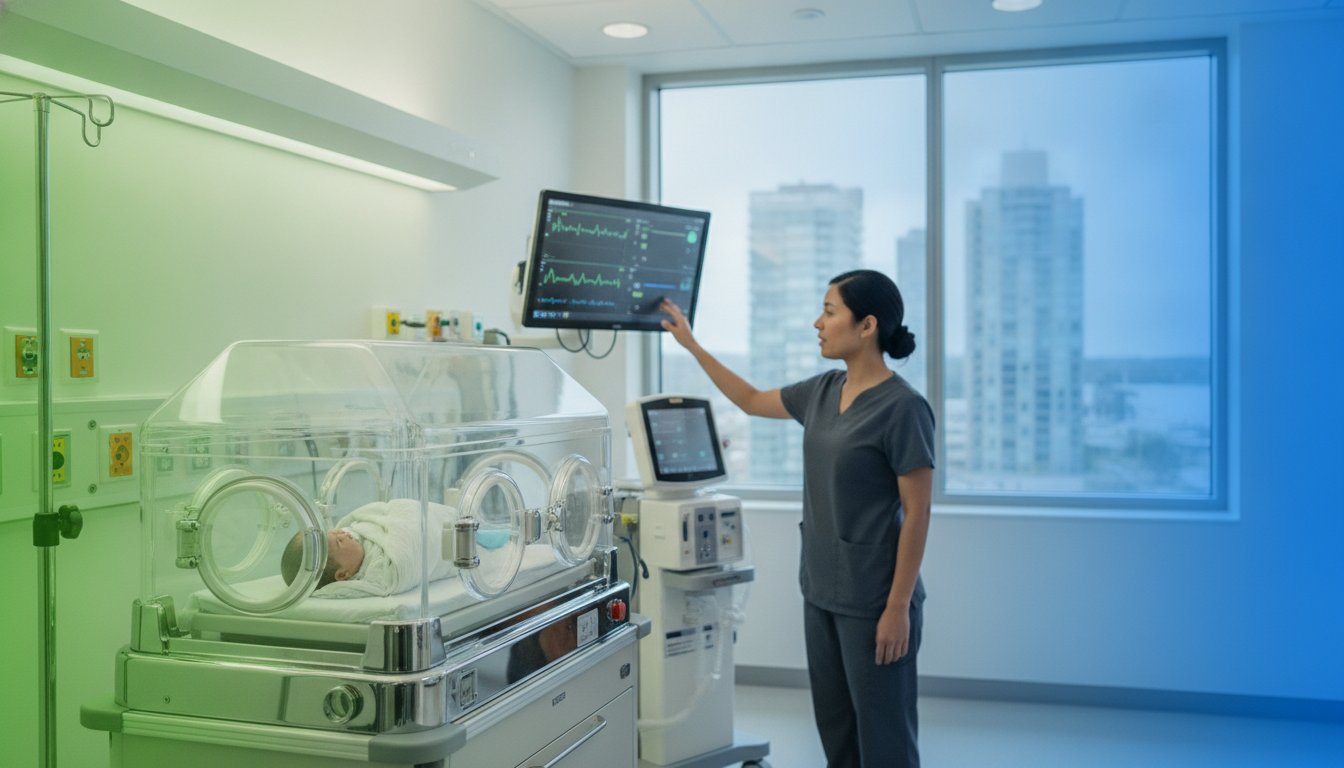
With the market for neonatal care equipment Canada projected to reach nearly $500 million by 2031, clinical teams realize the urgent need to modernize their approach to preterm births, which now affect 1 in 10 infants worldwide. Specialists recognize that managing these fragile populations involves a delicate balance between life-saving intervention and neuro-protective developmental care. You likely feel the strain of supply chain vulnerabilities and the constant need for equipment that integrates seamlessly into complex clinical workflows. This 2026 guide explores the essential technologies and clinical standards shaping modern neonatal intensive care across Canada, from advanced respiratory support to neuro-protective developmental care.
We’ll examine how precision tools like LungFit® PH and specialized developmental aids are reducing clinical risks, such as BPD and ROP, while improving long-term outcomes. By prioritizing localized technical support and innovative, cylinder-free technology, your facility can overcome traditional hurdles to achieve excellence in neonatal health. This review provides a roadmap for addressing the latest Health Canada regulatory updates while ensuring clinical proficiency remains at the forefront of patient care.
Key Takeaways
- Understand the transition to an integrated neuro-protective model that prioritizes both physiological stability and long-term developmental outcomes for preterm infants.
- Discover how advanced neonatal care equipment Canada, such as the LungFit® PH, eliminates supply chain vulnerabilities while providing precise, cylinder-free respiratory support.
- Recognize the importance of combining cerebral function monitoring with specialized developmental aids to identify subclinical seizures and promote healthy neuro-motor maturation.
- Identify key criteria for selecting a national distribution partner who offers comprehensive clinical training and reliable technical maintenance to ensure long-term operational excellence.
The Evolution of Neonatal Care Equipment Standards in Canada
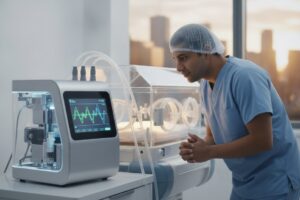
Modern neonatal care in Canada has transitioned from a focus on mere survival to a sophisticated, multi-disciplinary strategy. This approach prioritizes physiological stability alongside neuro-protection, acknowledging that the first moments of life dictate long-term neurological outcomes. Within a modern neonatal intensive care unit, clinicians now categorize essential tools into three pillars: advanced respiratory support, neuro-diagnostics, and developmental care aids. It’s vital for executing “Golden Hour” protocols, which are the evidence-based interventions performed within the first sixty minutes of a premature infant’s life to stabilize their respiratory and thermal status.
To better understand how these technologies fit into a clinical setting, watch this helpful video tour of a NICU bed space:
The Shift Toward Non-Invasive Care
Canadian standards are increasingly moving toward “gentle ventilation” and family-centred care models. Clinicians favour non-invasive ventilation (NIV) to minimize the risk of ventilator-induced lung injury and chronic lung disease. Utilizing specialized interfaces, such as the RAM NIV cannula, improves patient tolerance and reduces the need for aggressive intubation. This shift ensures that neonatal care equipment Canada hospitals procure supports the overarching goal of reducing Bronchopulmonary Dysplasia (BPD) through less traumatic, supportive interventions.
Regulatory Compliance and Health Canada Standards
Procurement for Canadian NICUs requires strict adherence to Health Canada standards. Clinicians realize that as of February 2, 2026, new guidance for medical device licences introduced stricter timelines and screening procedures for Class II, III, and IV devices. Working with a localized distributor ensures that imported technologies meet these rigorous national safety benchmarks. This partnership guarantees that every piece of equipment, from the LungFit® PH to developmental positioning aids, is fully licensed and backed by a national technical network for maintenance and clinical training.
Advanced Respiratory Technology: From Ventilation to iNO Generation
Modern respiratory strategies in the NICU must balance gas exchange with lung protection. While traditional mechanical ventilation remains a staple among common NICU equipment, advanced high-frequency oscillatory ventilation (HFOV) offers a superior method for minimizing lung injury in extremely low birth weight infants. HFOV utilizes small tidal volumes at high frequencies, which stabilizes the alveoli and prevents repetitive trauma. Precision in oxygen delivery is equally critical; clinicians must maintain tight saturation targets to prevent Retinopathy of Prematurity (ROP), a leading cause of childhood blindness. This technical accuracy is a hallmark of the neonatal care equipment Canada providers utilize for high-acuity cases.
For infants suffering from Persistent Pulmonary Hypertension of the Newborn (PPHN), Inhaled Nitric Oxide (iNO) therapy acts as a potent selective pulmonary vasodilator. LungFit® PH generates iNO from ambient air to eliminate cylinder-related risks.
Cylinder-Free Nitric Oxide Delivery
The LungFit® PH system provides significant supply chain benefits for Canadian hospitals by removing the logistical burden of pharmaceutical gas delivery. On-site generation improves clinical workflow, as staff don’t need to manage heavy cylinder transport or complex storage requirements. It ensures a continuous, reliable supply of therapy regardless of external shipping delays or gas shortages.
Non-Invasive Interfaces and Secretion Management
Effective respiratory support relies on high-quality interfaces like NIV masks and the RAM NIV cannula, which maintain a stable seal without causing skin breakdown. Integrating secretion management tools like the EO-70 helps maintain airway patency in ventilated neonates, reducing the risk of re-intubation. Clinicians looking to optimize these workflows can explore specialized respiratory solutions designed for the unique physiology of newborns.

Neuro-Protective and Developmental Care: The Integrated Approach
Neuro-protective care represents a fundamental shift in how clinicians manage the micro-environment of the vulnerable infant. It’s an integrated strategy that addresses the physiological and neurological needs of the neonate simultaneously, moving beyond the traditional silos of respiratory or cardiac care. By combining advanced diagnostic hardware with supportive developmental tools, NICU teams can minimize external stressors that impede brain maturation. High-quality neonatal care equipment Canada facilities utilize must support this “quiet environment” goal by reducing noise and light pollution, which are known to disrupt critical sleep cycles and neurological development.
Cerebral Function Monitoring (CFM) with ANT Neuro NEO
Clinicians use the ANT Neuro NEO cerebral function monitor to realize earlier interventions for hypoxic-ischemic encephalopathy (HIE). This technology is essential for detecting subclinical seizures that often go unnoticed during routine physical assessments but can lead to significant long-term impairment. The user-friendly interface allows bedside nurses and neonatologists to interpret real-time brain activity data quickly, ensuring that therapeutic decisions are based on precise, evidence-based metrics. This continuous oversight is a cornerstone of modern neuro-protective protocols.
Developmental Care Aids and Skin Integrity
Supportive hardware extends beyond electronics to include specialized positioning aids from brands like Dandle-Lion and Neotech. These products are designed to support physiological flexion and midline positioning, effectively mimicking the intrauterine environment to promote healthy motor development. When selecting neonatal care equipment Canada for daily use, clinicians also prioritize skin integrity. The fragility of neonatal skin requires specialized adhesives and care products, such as 24% Sucrose for procedural comfort, to prevent trauma during routine care. These small interventions collectively improve the quality of the patient’s developmental trajectory.
To enhance your unit’s neuro-protective capabilities, you can explore our full range of developmental care solutions.
Procuring and Implementing Neonatal Tech in the Canadian Landscape
Selecting a partner for neonatal care equipment Canada involves more than a simple transaction. It requires a long-term commitment to clinical excellence. Administrators must evaluate potential distributors based on their technical expertise, depth of clinical support, and national reach. This ensures that sophisticated technologies, such as the LungFit® PH, are backed by a team that understands the nuances of the Canadian healthcare environment. Beyond the initial capital outlay, you should analyze the total cost of ownership. This includes service contracts, ongoing consumable costs, and necessary software updates that keep devices at peak performance.
The Importance of Clinical Training and Technical Support
The initial purchase of a device represents only half of the implementation journey. Ongoing clinical workshops are essential for maintaining high standards of care. By utilizing “train-the-trainer” models, facilities ensure that staff competency remains consistent across all shifts, including nights and weekends. Reliable technical support for critical care devices is vital to minimize downtime. A partner who provides national coverage and localized assistance ensures that life-saving equipment remains operational when it’s needed most.
Streamlining NICU Workflows with Integrated Solutions
Choosing compatible systems across respiratory and neuro-diagnostic categories significantly improves data continuity. When monitoring and therapeutic devices work in tandem, it reduces the cognitive load on clinicians and streamlines daily workflows. A single-source distributor simplifies procurement and maintenance, acting as a knowledgeable consultant rather than a mere vendor. This integrated approach allows your team to focus on patient outcomes rather than logistical hurdles. Facilities managing broader respiratory diagnostic programs may also benefit from understanding how to select a sleep apnea diagnostic device Canada providers trust for Health Canada-compliant accuracy, as respiratory care needs often extend beyond the NICU. Explore our full range of neonatal care solutions and clinical support services to see how we can support your facility’s mission.
Advancing Neonatal Clinical Excellence in 2026
The landscape of neonatal intensive care is undergoing a profound transformation. Clinicians are moving away from siloed treatments toward an integrated model that prioritizes both physiological stability and neuro-protection. Adopting the advanced neonatal care equipment Canada hospitals require involves selecting technologies that reduce clinical risk, such as cylinder-free inhaled nitric oxide delivery. These innovations don’t just improve patient outcomes; they’re essential for streamlining complex workflows and enhancing the reliability of critical care delivery.
Securing your unit’s future requires more than just hardware. It demands a partnership built on technical precision and hands-on education. As the exclusive Canadian LungFit® PH distributor, we provide the specialized clinical training programs and national technical support network necessary for long-term success. Partner with Novus Medical for your NICU modernization needs to ensure your facility remains at the forefront of infant care innovation. Together, we can realize a higher standard of care for Canada’s most vulnerable patients.
Frequently Asked Questions
What is the most critical respiratory equipment for a Level III NICU in Canada?
Level III NICUs require advanced high-frequency oscillatory ventilators and synchronized non-invasive support to manage extremely preterm infants. Devices like the Monnal™ T60 Advanced provide critical versatility for bedside care and transport. Precise inhaled nitric oxide delivery systems are also vital for treating Persistent Pulmonary Hypertension of the Newborn. These technologies ensure physiological stability while minimizing the risk of ventilator-induced lung injury in the most fragile neonates.
How does cylinder-free nitric oxide generation improve hospital safety?
Cylinder-free generation, such as with the LungFit® PH, eliminates the physical hazards associated with high-pressure pharmaceutical gas tanks. Hospitals no longer need to manage heavy cylinder transport or specialized storage areas, which reduces the risk of workplace injuries. Since the system generates iNO from ambient air, it also removes the danger of nitrogen dioxide buildup during storage, ensuring a safer clinical environment for both staff and patients.
Why is developmental positioning considered part of neonatal medical equipment?
Developmental positioning aids are classified as essential medical equipment because they directly facilitate neuro-protective care goals. Products from Dandle-Lion and Neotech support physiological flexion and midline positioning, which are critical for healthy motor maturation. By mimicking the intrauterine environment, these tools reduce stress and improve sleep quality. This is a vital component of neonatal care equipment Canada units use to optimize long-term neurological outcomes for preterm infants.
What are the benefits of using a specialized Canadian distributor for NICU technology?
Partnering with a specialized national distributor ensures that your facility receives localized technical support and consistent warranty services across Canada. Distributors like Novus Medical provide exclusive access to innovative technologies and offer specialized clinical training programs to ensure staff proficiency. This relationship moves beyond a simple transaction, providing a knowledgeable consultant who understands Health Canada regulatory standards and the specific logistical challenges of the Canadian healthcare landscape.
How often do neonatal care devices require technical maintenance or calibration?
Most high-acuity neonatal devices require preventative maintenance or calibration at least once or twice per year, depending on manufacturer specifications. Respiratory equipment and neuro-diagnostic monitors often undergo more frequent checks to ensure sensor accuracy and battery reliability. Regular service is essential to minimize downtime and maintain patient safety. Utilizing a national technical support network ensures that these critical care devices remain compliant with national safety and performance benchmarks.
Disclaimer
Disclaimer: Articles on this website are produced with the assistance of automated content tools (AutoSEO) and are intended solely for general informational purposes. This content does not constitute professional advice. While we strive to maintain accurate and up-to-date information, readers should verify key details independently before taking action based on any content found on this site.