
What if inhaled nitric oxide availability depended less on cylinder delivery and replacement? The benefits of generator-based iNO may include a different approach to gas logistics, but dependable therapy still depends on safe delivery, monitoring and trained care teams. For clinicians and facility leaders, the practical question is how a generator-based system fits bedside workflows, equipment requirements and contingency plans.
Cylinder-supplied systems deliver premixed nitric oxide stored in high-pressure cylinders. LungFit® PH generates nitric oxide from ambient air using patented Plasma Pulse Technology. The difference changes the supply model, not the need to assess clinical requirements, operating procedures or backup plans. To compare approaches, map your current cylinder-related tasks against the generator’s operating requirements, device setup and support needs.
This article examines where generator-based iNO may affect clinical workflows, what safeguards remain essential, and how to assess a system for your care environment. It covers supply planning, bedside use, monitoring and implementation while keeping potential operational advantages distinct from clinical outcomes.
Key Takeaways
- Compare generated nitric oxide with cylinder-supplied gas by reviewing supply tasks, equipment needs and bedside workflows in your facility.
- Assess how generator-based iNO may affect cylinder procurement, storage and replenishment, without assuming uninterrupted supply or improved clinical outcomes.
- Evaluate clinical fit, device requirements, staff training and support. Continue to follow current protocols and device instructions for monitoring nitric oxide, nitrogen dioxide and oxygen.
- Review LungFit® PH and its patented Plasma Pulse Technology in the context of your care setting’s implementation and support needs.
What Is Generator-Based iNO, and How Does It Differ from Cylinder Supply?
Generator-based inhaled nitric oxide (iNO) systems produce nitric oxide for delivery as part of inhaled therapy. Cylinder-supplied systems deliver premixed nitric oxide gas stored in high-pressure cylinders. The distinction is the source of the gas, not the purpose of therapy. Neither supply model is universally preferable, so compare each against your clinical requirements and facility workflow.
Nitric oxide has physiological roles as a signalling molecule, including effects on blood vessels. For background, see Biological functions of nitric oxide.
For a general overview of generator-based iNO, watch this video:
How Is Generator-Based iNO Different from Cylinder-Supplied iNO?
Generation is not storage. A medical nitric oxide generator produces gas for inhaled therapy. It is different from an electrical backup generator, which supplies power to equipment or a facility.
With cylinder supply, teams plan for procurement, storage, inventory and replenishment of premixed gas. A generator changes the supply model by producing nitric oxide at the point of care, so planning shifts to the device’s operating requirements, setup and procedures. This may change routine tasks, but it does not establish uninterrupted supply or eliminate handling and contingency requirements. The benefits of generator-based iNO depend on how the system fits the facility’s clinical and operational needs.
Where Does Generator-Based iNO Fit in Respiratory Care?
Generator-based iNO is a delivery approach for respiratory care settings where inhaled nitric oxide therapy is part of the care plan. Its use must align with clinical direction, device instructions and local protocols. For broader context on neonatal care and respiratory support, read Novus Medical’s neonatal respiratory therapy guide.
Potential Benefits of Generator-Based iNO for Gas Logistics and Care Teams
On-site generation may change how a facility plans for cylinder procurement, storage, inventory and replenishment. The tasks affected depend on the system and local supply arrangements. A generator does not remove the need to plan for device operation, required supplies, interruptions or clinical monitoring. Treat potential benefits of generator-based iNO as operational considerations, not as a guarantee of uninterrupted availability.
What Supply-Chain Tasks Could Generation Change?
When nitric oxide is generated at the point of care, teams may rely less on routine ordering and rotation of cylinders for that system. Before implementation, list current cylinder-related tasks and identify which would change. Separately document equipment-readiness checks, maintenance, consumables where applicable and the response to a device interruption, following manufacturer instructions and local protocols. This comparison helps clarify which responsibilities shift and which remain.
How Might a Different Supply Model Affect the Care Team?
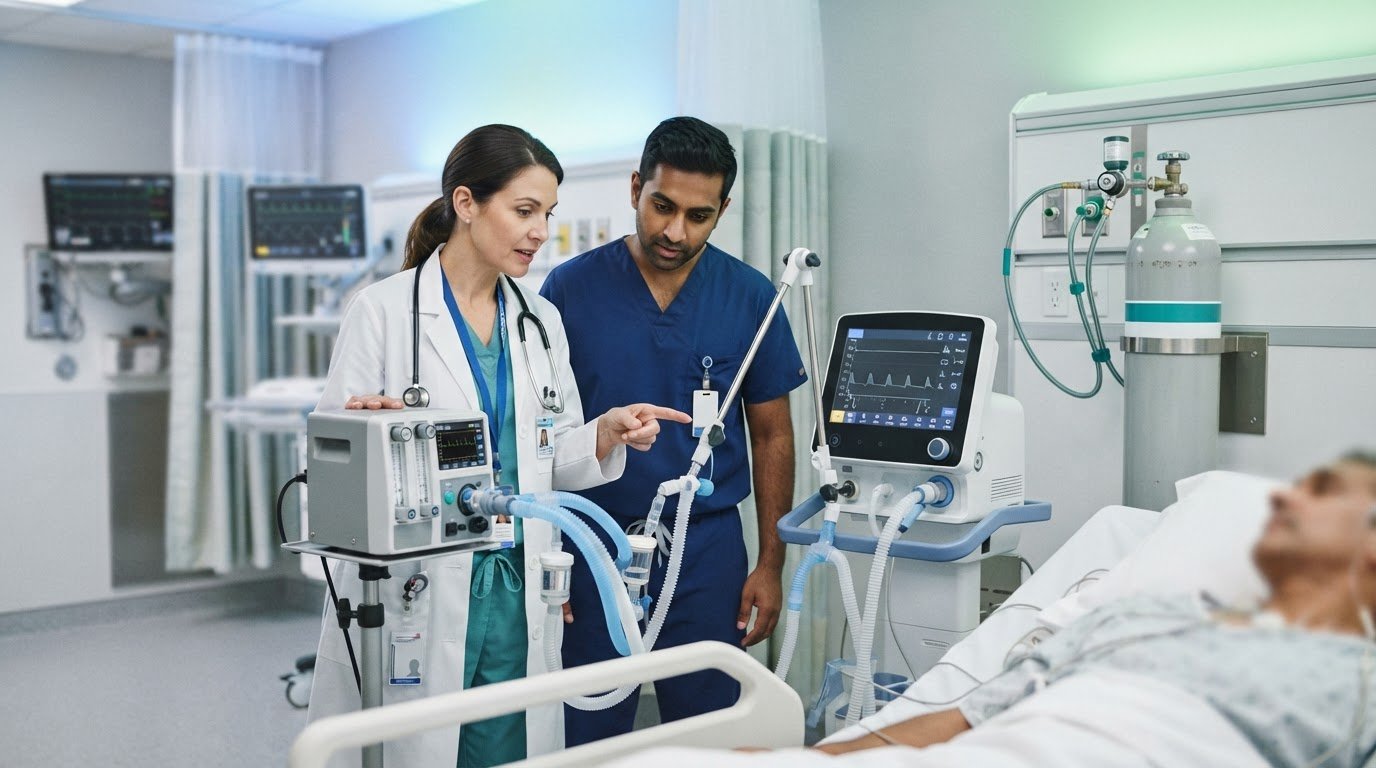
Bedside impact depends on more than the gas source. Assess device placement, connections to respiratory equipment, setup steps, shift handoffs, staff familiarity and training. Walk through the workflow with respiratory clinicians, biomedical engineering and procurement: who prepares the equipment, who checks readiness, and how are concerns escalated? An orientation and documented procedures can clarify roles, but a new supply model will not automatically simplify care.
Potential logistics benefits are not evidence of improved clinical outcomes. Patient care remains guided by clinical judgement, monitoring and established protocols.
For wider procurement considerations, consult this respiratory therapy equipment buyer’s guide. The FDA’s FDA approval for LungFit PH provides product-specific information in the US regulatory context; it should not be taken as guidance on Canadian authorization or a facility’s implementation requirements. For information on LungFit® PH in Canada, visit Novus Medical’s LungFit® PH information.

How to Evaluate Generator-Based iNO Without Overlooking Safety
Evaluate the system as part of the full respiratory-care pathway, not as a change in gas supply alone. Generation does not remove the need for clinical oversight, prescribed monitoring or contingency planning. The supply method does not replace prescribed monitoring of nitric oxide, nitrogen dioxide and oxygen, clinical protocols, or device-specific instructions for use.
What Should a Facility Assess Before Implementation?
Use a structured review before introducing a system:
- Clinical fit: Confirm that the intended use aligns with clinical direction and patient-care requirements at your facility.
- Device requirements: Review current manufacturer documentation for operating conditions, equipment connections, maintenance and contingency procedures.
- Workflow and integration: Map setup, bedside connections, shift handoffs, escalation steps and coordination with existing respiratory equipment.
- Training and support: Identify who needs instruction, how competency will be maintained, and how technical support and service needs will be managed.
This review lets teams weigh potential benefits of generator-based iNO against practical responsibilities. A change in supply model alone does not establish clinical suitability or make every bedside task simpler.
Which Safety Questions Remain Essential?
Monitoring requirements for nitric oxide, nitrogen dioxide and oxygen must follow current clinical protocols and the device’s instructions. Define who reviews readings, responds to alarms or unexpected changes, and follows the facility’s escalation and contingency procedures. Confirm that staff understand the system’s operating requirements before clinical use, and revisit training when workflows or equipment change.
Equipment service planning is also part of readiness. Review the Canadian medical equipment service contract guide when considering how service arrangements fit your facility’s needs. Novus Medical provides Canadian-based technical support related to LungFit® PH by phone, internet and remote connection. Learn more through Novus Medical.
LungFit® PH: Bringing Generator-Based iNO into a Canadian Care Setting
LungFit® PH is Novus Medical’s generator-based iNO offering and uses patented Plasma Pulse Technology. The technology name is a starting point, not a substitute for reviewing product documentation. Base clinical and operational assessments on current information about intended use, specifications and operating requirements.
What Can Care Teams Assess About LungFit® PH?
Consider how the system would fit the facility’s care pathway. Review the manufacturer’s documentation alongside your team’s requirements for:
- Clinical use and compatibility with existing respiratory workflows.
- Device setup, connections and operating conditions.
- Monitoring, staff training and contingency procedures.
- Technical support, warranty service and ongoing equipment planning.
This assessment helps teams distinguish potential benefits of generator-based iNO from assumptions about clinical outcomes or uninterrupted supply. Consider the system within established clinical oversight and facility protocols.
How Can Canadian Facilities Explore the System?
As the exclusive Canadian distributor of LungFit® PH, Novus Medical provides healthcare facilities with product information and support for implementation planning. Canadian-based technical support by phone, internet and remote connection, along with warranty services, can inform staff-readiness and equipment-support planning. These services complement, rather than replace, facility procedures for monitoring and contingency planning.
For a product discussion, bring together respiratory clinicians, procurement and relevant technical staff to consider intended use, workflow, training and support requirements. Explore LungFit® PH with Novus Medical as your team evaluates its fit for a Canadian care setting.
Assess the Right iNO Supply Model for Your Care Setting
Generator-based iNO offers a different way to plan nitric oxide supply, with potential effects on cylinder-related logistics and bedside workflows. Those operational considerations do not establish improved clinical outcomes or remove the need for careful implementation. Clinical fit, device requirements, staff training, monitoring and contingency procedures remain central to a facility assessment.
The benefits of generator-based iNO depend on how the system aligns with your care environment and established protocols. LungFit® PH, distributed in Canada by Novus Medical, uses patented Plasma Pulse Technology. Review current product information to understand its intended use and operating requirements, then assess how it would fit your team’s workflow and support needs.
Novus Medical provides Canadian-based technical support by phone, internet and remote connection, as well as warranty services for healthcare providers. These resources can inform implementation and ongoing equipment planning.
Explore LungFit® PH and discuss generator-based iNO requirements with Novus Medical. A team-based evaluation can help your facility determine whether this supply approach fits its clinical and operational priorities.
Frequently Asked Questions
What is generator-based inhaled nitric oxide?
Generator-based inhaled nitric oxide (iNO) is delivered using a system that generates nitric oxide for inhaled therapy rather than relying solely on premixed gas stored in cylinders. Cylinder-supplied systems draw from stored gas, while generator systems produce it according to their design. Exact generation method, connections, operating conditions and use depend on the specific system’s current manufacturer documentation.
What are the potential benefits of generator-based iNO?
Potential benefits of generator-based iNO may include changes to cylinder procurement, storage, inventory and replenishment, as well as adjustments to bedside setup and handoffs. The practical effect depends on the system, facility supply processes, equipment integration and staff training. Assess these operational factors in your care setting; a different supply model alone does not establish improved clinical outcomes.
Is generator-based iNO as safe as cylinder-supplied nitric oxide?
No supply model is universally safer; safety depends on the specific system and how it is implemented and used. Facilities need appropriate monitoring, established clinical protocols, trained staff and adherence to manufacturer instructions. Evaluate the device’s operating requirements and contingency procedures in context, then ensure care teams understand their responsibilities. Do not assume that generation itself reduces risk compared with cylinder supply.
Does generator-based iNO remove the need for nitric oxide and nitrogen dioxide monitoring?
No. Generating nitric oxide does not by itself remove the need for monitoring or clinical oversight. Monitoring of nitric oxide and nitrogen dioxide, along with oxygen as required, must follow current clinical protocols and the specific device’s instructions for use. Care teams should also follow local procedures for interpreting readings, responding to alarms or changes, and escalating concerns. The supply method does not replace these safeguards.
What should a hospital consider before adopting a nitric oxide generator?
Before adopting a nitric oxide generator, assess its intended use and current manufacturer-stated operating requirements against your facility’s clinical needs. Review required monitoring, integration with respiratory equipment, bedside setup, handoffs, staff training and contingency procedures. Include technical support and service planning in implementation discussions, and define responsibilities across clinical and technical teams. For LungFit® PH, use current product documentation to guide system-specific decisions.
Disclaimer
Disclaimer: Articles on this website are produced with the assistance of automated content tools (AutoSEO) and are intended solely for general informational purposes. This content does not constitute professional advice. While we strive to maintain accurate and up-to-date information, readers should verify key details independently before taking action based on any content found on this site.

Leave a Reply
Your email is safe with us.